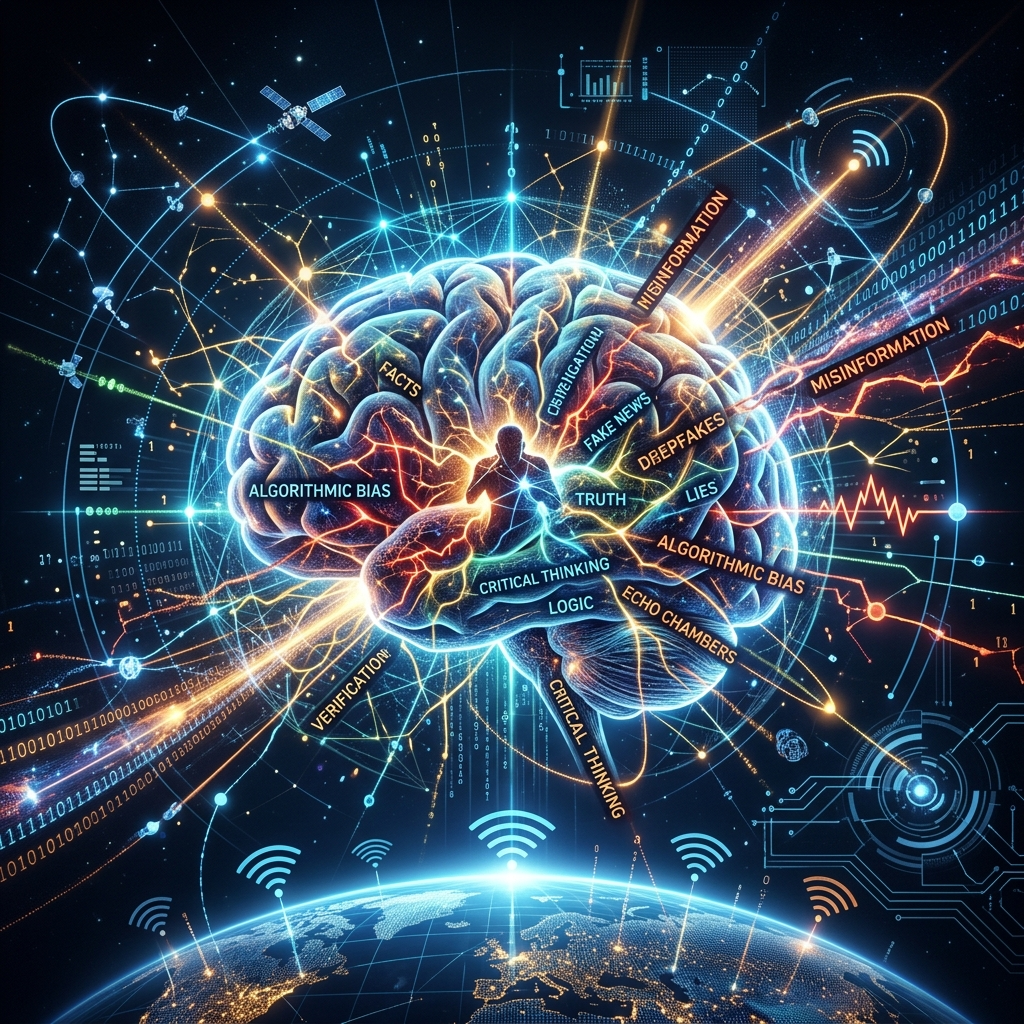
How the Internet Broke Everyone’s Bullshit Detectors: The AI and Data Reality

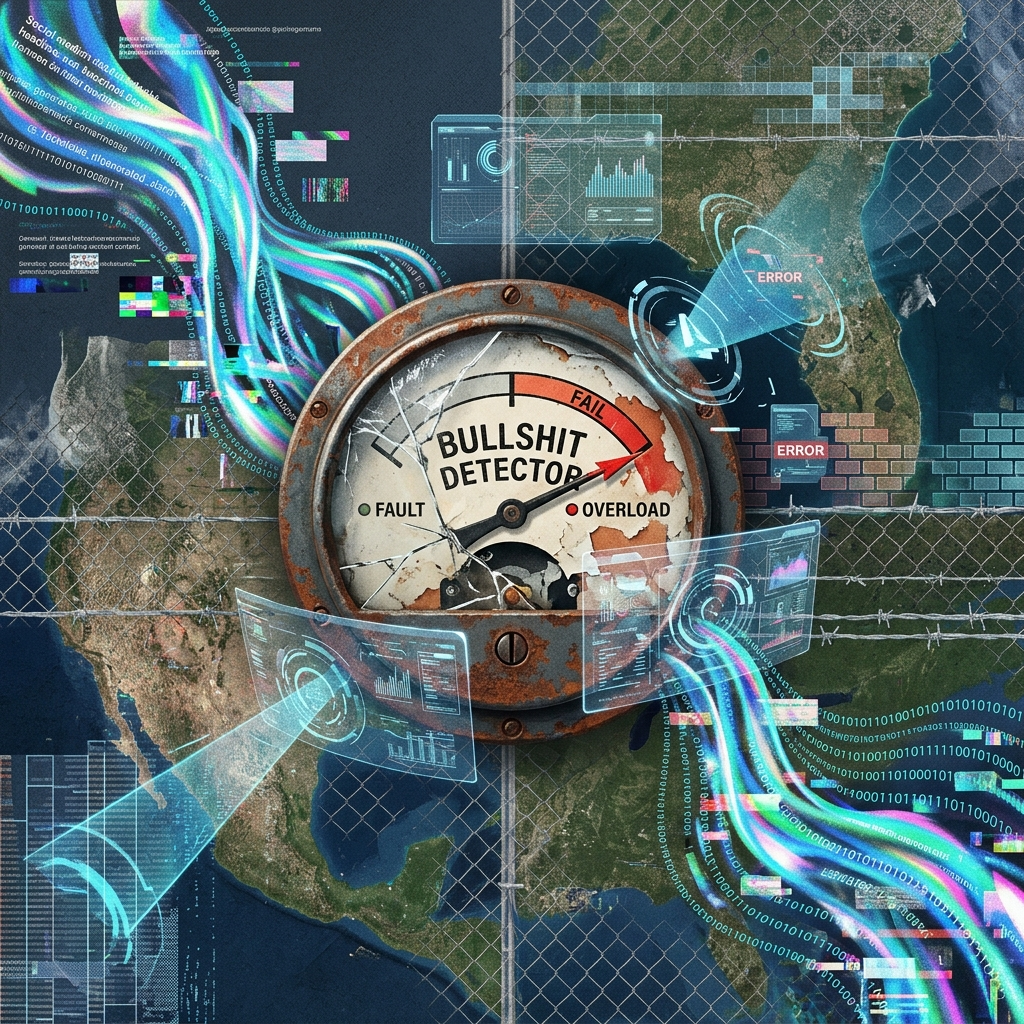
The internet broke everyone’s bullshit detectors by overwhelming conventional trust mechanisms with a surge of AI-generated synthetic content and restricted access to critical geospatial data. This phenomenon has complicated truth verification, exposing vulnerabilities not only in human discernment but also in existing technological systems.

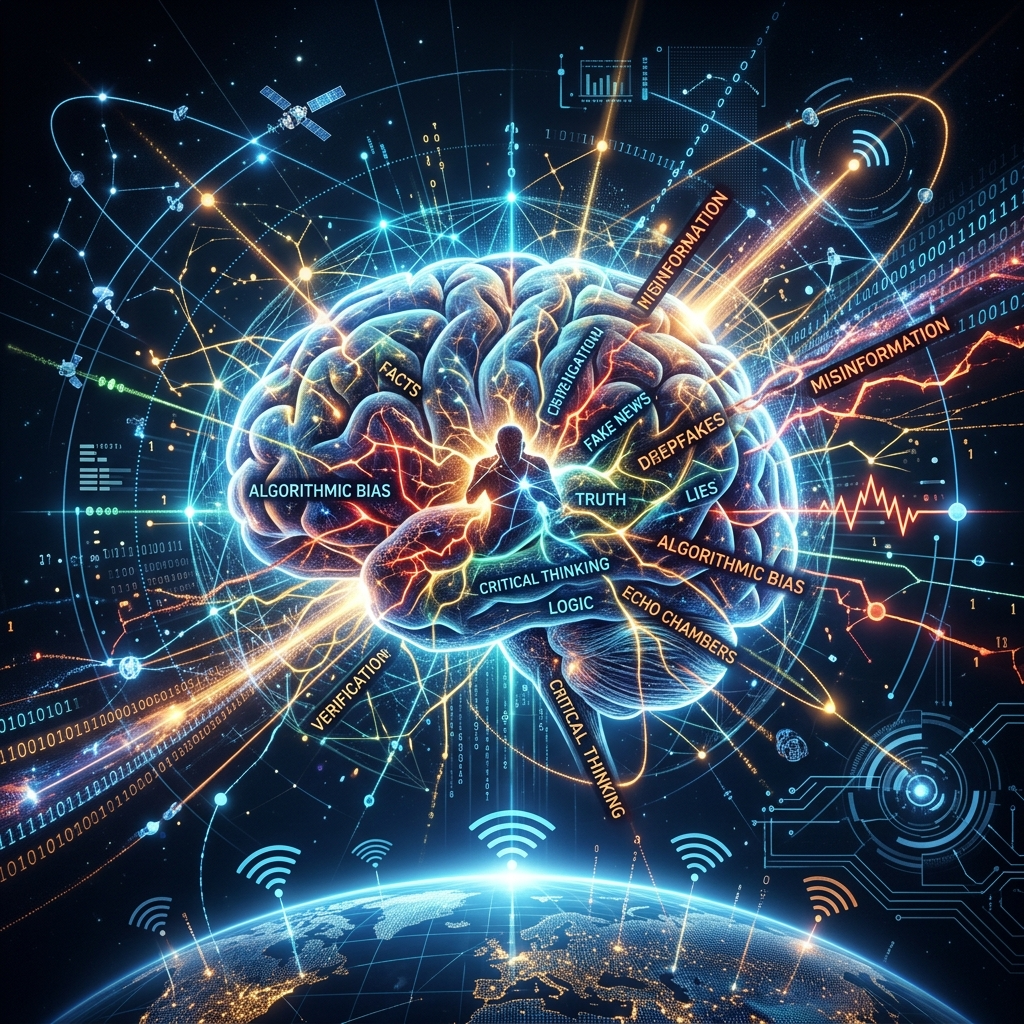
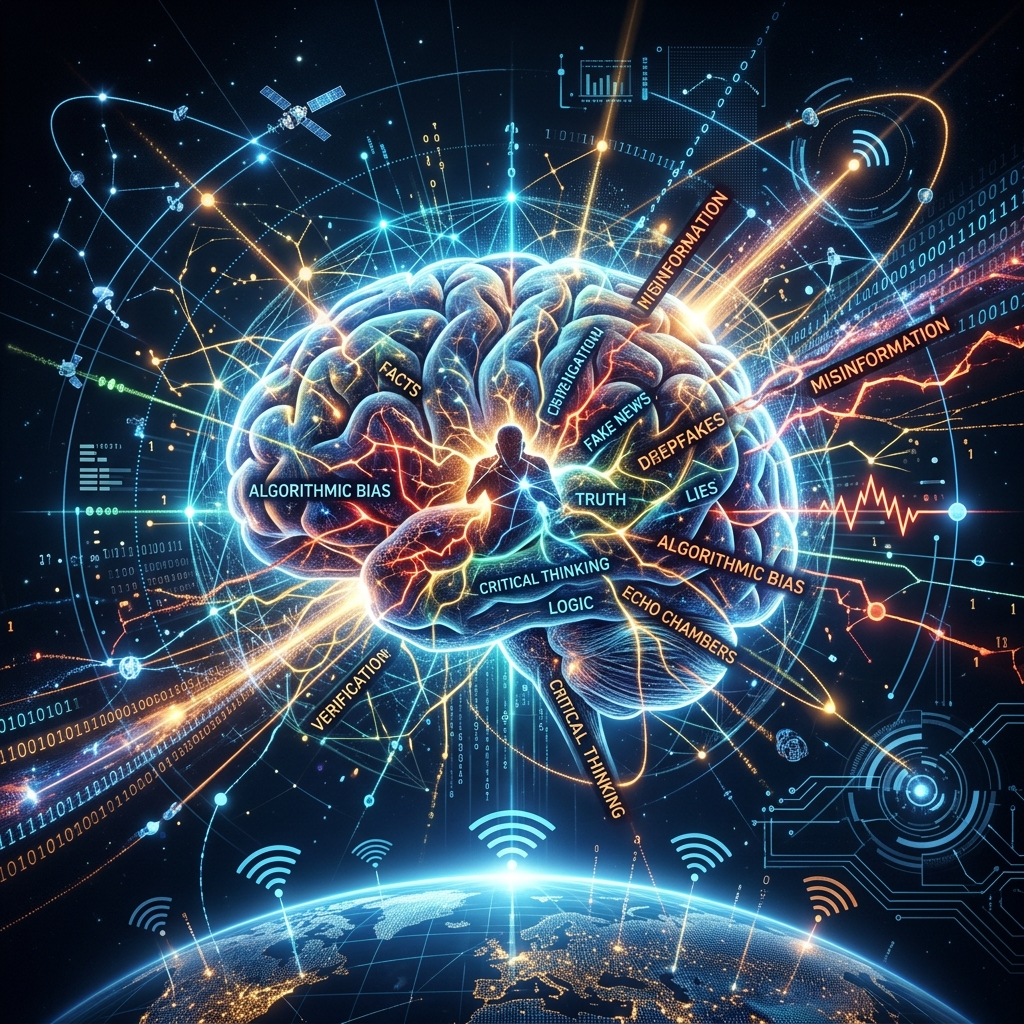
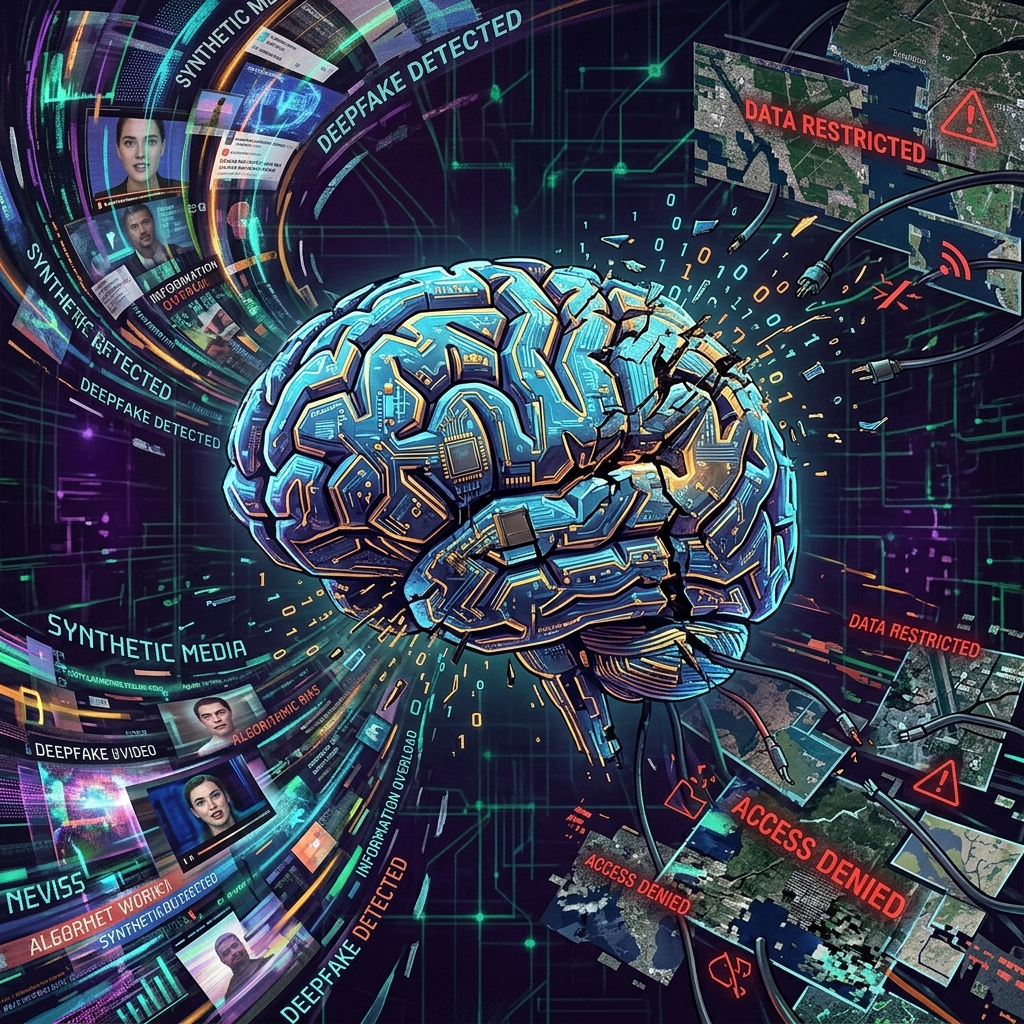
Generative AI tools such as GPT and deepfake technologies have saturated online platforms with hyperrealistic fabricated content, disrupting traditional indicators of authenticity and overwhelming human verification processes. As reported by Search Engine Journal, this rapid spread of synthetic content fosters skepticism fatigue among users and erodes the foundation of digital trust. AI models, trained on extensive and often biased datasets, generate fictional narratives that closely mimic genuine materials, stretching the capacities of fact-checkers and disrupting reliable content ecosystems.

This influx of AI-generated misinformation interacts with broader technological shifts such as AI software disruption impacting systems, amplifying the challenge of verification amidst systemic complexity. As these synthetic narratives become increasingly sophisticated, they complicate the discernment process that users once relied on, effectively breaking down longstanding bullshit detectors shaped by human intuition and traditional verification heuristics.

Critical to combating misinformation is independent verification through access to high-resolution satellite and drone geospatial data. However, such data often remains tightly controlled by government and corporate entities, limiting transparency. Platforms like Wing’s drone geospatial services impose strict access restrictions, particularly during sensitive events such as conflicts or natural disasters, creating blind spots in the verification landscape. These limitations hinder the debunking of false location-specific claims, allowing misinformation bubbles to persist unchecked.

The absence of open access to geospatial anchors undermines public confidence in digital narratives and reflects challenges detailed on Marie Haynes’ blog on search trust. Without reliable, independent tools, audiences face difficulty differentiating authentic evidence from fabricated claims, weakening collective trust in online information ecosystems.

Emerging autonomous agentic AI frameworks represent a significant advance in addressing these challenges. These AI agents independently perform cross-referencing across multiple data modalities—textual content, images, and geospatial information—in real time to detect inconsistencies and flag potential falsehoods before they proliferate widely. Google’s Antigravity project exemplifies this integration, utilizing cloud computing to uncover subtle signals of content fabrication across diverse formats. Alongside this, various open-source initiatives and commercial verification services are expanding similar capabilities, easing the burden on manual fact-checkers and increasing verification scalability.

Despite these technological strides, human vigilance remains essential. Strengthening digital literacy empowers users to identify manipulated media, inconsistent metadata, and semantic oddities that AI may miss or misinterpret. Educational efforts by NGOs and institutional media literacy programs are designed to counter skepticism fatigue by equipping users with cognitive tools to apply authenticity frameworks critically before sharing information. Platforms complement this by providing transparency dashboards and contextual prompts to help users navigate complex content environments effectively.

The interplay between advanced AI verification systems and informed human oversight forms a necessary dual strategy to restore trust. Digital literacy acts as a foundation for skepticism that is informed and constructive, rather than dismissive or exhausted. This holistic approach supports a more resilient information ecosystem where AI technology amplifies human judgment rather than replaces it.

Rebuilding reliable bullshit detectors in the digital age requires a multi-pronged response. Integrating agentic AI verification, advocating for expanded access to satellite and drone geospatial data, and fostering widespread digital literacy initiatives are critical pillars. Cooperation between technology developers, platform providers, policymakers, and the public is essential to reversing misinformation trends and preserving the integrity of online discourse.

As AI-generated synthetic content and restricted data access continue to evolve, the future of digital trust depends on adaptive, integrated strategies that combine cutting-edge technological solutions with human critical thinking and ethical frameworks. This synthesis will be pivotal in shaping an online environment where authenticity can be reliably discerned and misinformation effectively countered. For deeper insights on AI’s role in search and the broader landscape, explore AI-driven search technology and for the social impact of automation see AI-driven job cuts. Additional details on how Google is impacting systems provide context to the evolving digital ecosystem.
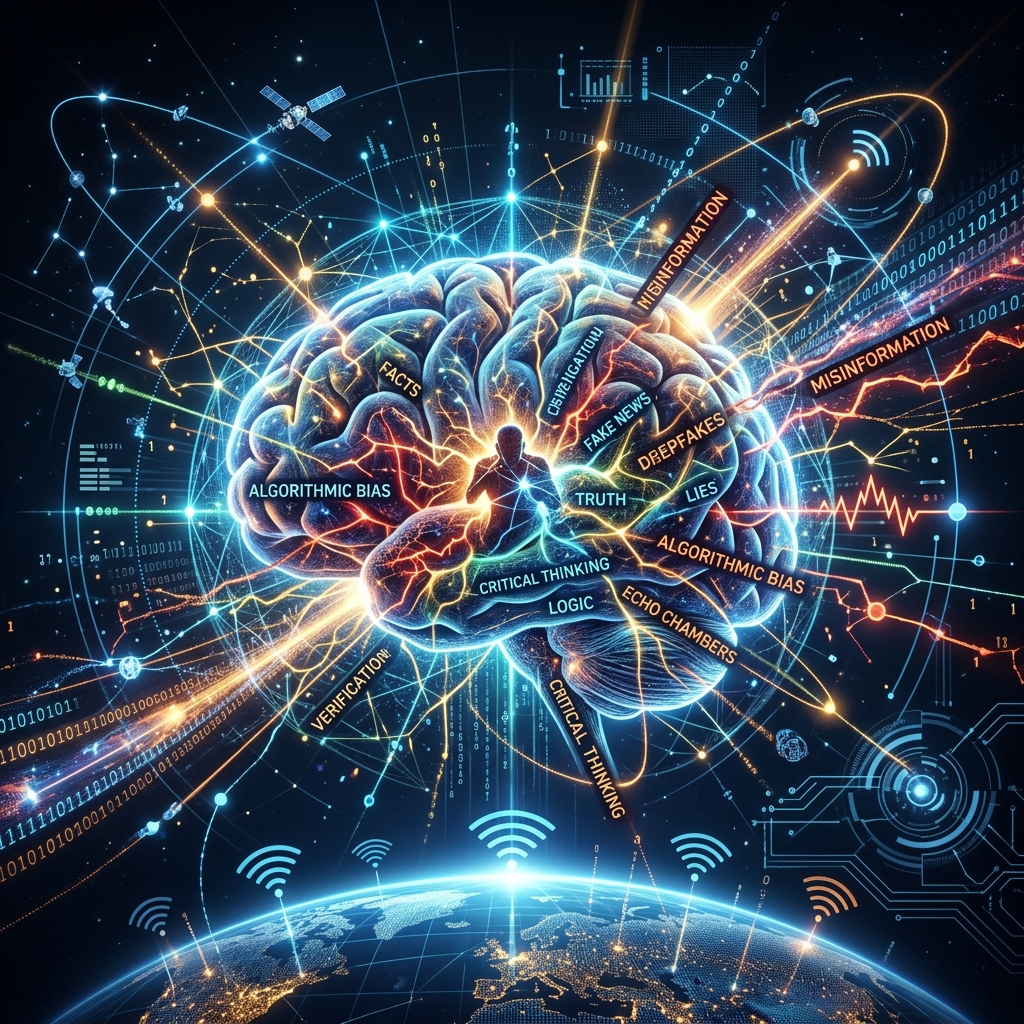
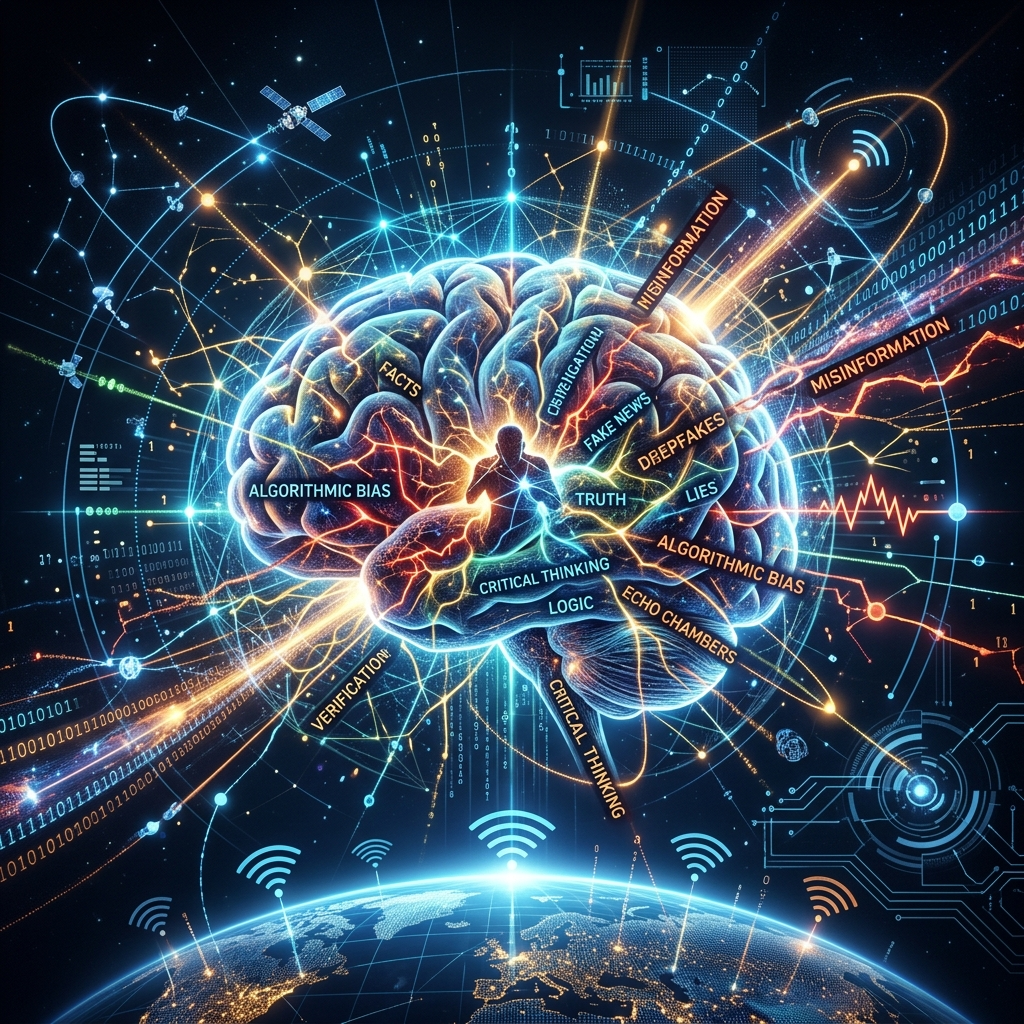
How the Internet Broke Everyone’s Bullshit Detectors: The AI and Data Reality

The internet broke everyone’s bullshit detectors by overwhelming conventional trust mechanisms with a surge of AI-generated synthetic content and restricted access to critical geospatial data. This transformation has challenged how users validate information, reshaping the landscape of digital trust and misinformation verification.

Generative AI tools such as GPT and deepfake technologies have created an explosion of hyperrealistic fabricated content online, disrupting traditional markers of authenticity. These advances have flooded social media and news platforms with images, videos, and text difficult to distinguish from reality, leading to a form of skepticism fatigue among users. As Search Engine Journal highlights, this surge in synthetic content strains human verification processes and erodes confidence in digital information.

The AI models that generate this content depend on vast datasets, often containing inherent biases and misinformation themselves. This results in fictional narratives becoming indistinguishable from genuine accounts to untrained eyes, pushing fact-checkers to their limits. Such challenges compound alongside broader technological disruptions in software systems as detailed in AI software disruption impacting systems, further complicating the verification ecosystem.

Beyond content creation, restricted access to high-resolution satellite and drone data poses a significant barrier to verifying location-specific claims independently. Geospatial data crucial for anchoring factual information is tightly controlled by governments and companies. Services like Wing’s drone geospatial services illustrate this access limitation, especially problematic during events such as armed conflicts or natural disasters.

Without open availability of such geospatial data, misinformation that relies on false location or event claims often goes unchallenged, allowing falsehoods to proliferate uncontested. This lack of transparency weakens public trust in digital narratives, underscoring concerns addressed by experts in Marie Haynes’ blog on search trust.

In response, emerging autonomous agentic AI models offer a new front in combating misinformation. These AI systems perform independent research and verification, cross-referencing textual, visual, and geospatial data in real time to detect contradictions and potential fabrications before they gain traction.

Google’s Antigravity project exemplifies this approach, combining multi-modal AI verification with cloud-based computing power to identify subtle signs of synthetic content across media types. This innovation, along with open-source and commercial verification tools, promises to alleviate reliance on manual fact-checking workflows.

Yet, technology alone is insufficient to restore trust. Human vigilance remains essential in this evolving environment. Strengthening digital literacy equips users to identify manipulated media, inconsistencies in metadata, and semantic anomalies. This education complements AI detection capabilities, empowering users to become active gatekeepers against misinformation.

Educational initiatives and NGOs are increasingly promoting media literacy training to combat users’ skepticism fatigue and improve critical evaluation skills. Platforms deploy transparency dashboards and contextual prompts to help users assess information authenticity, reinforcing mental frameworks for reliability assessment prior to sharing.

This combination of technological innovation and enhanced human critical thinking forms a crucial paradigm for rebuilding trustworthy digital ecosystems. As noted in analyses of AI-driven search technology and workplace impact such as AI-driven job cuts, the intersection of AI advancement and societal adaptation defines the trajectory of future information reliability.

In conclusion, restoring effective bullshit detectors online demands a multi-layered strategy. Integrating agentic AI verification systems, expanding access to critical geospatial data, and fostering widespread digital literacy initiatives form the backbone of this effort. Collaboration across technology developers, policymakers, content platforms, and the public is essential to reverse misinformation proliferation and safeguard the integrity of online discourse.

As AI-generated synthetic content and restricted data landscapes evolve, the future of digital trust hinges on adaptive strategies that blend cutting-edge technologies with human ethical oversight and critical literacy skills to maintain authenticity in an increasingly complex information environment.

How the Internet Broke Everyone’s Bullshit Detectors: The AI and Data Reality

The internet broke everyone’s bullshit detectors by overwhelming conventional trust mechanisms with a surge of AI-generated synthetic content and restricted access to critical geospatial data. This digital trust crisis has unfolded rapidly as technological advances outpace traditional methods of truth verification, challenging society’s ability to discern fact from fiction.

Generative AI tools such as GPT and deepfake technologies have flooded online platforms with hyperrealistic fabricated content, blurring the lines between authentic and fabricated information. This proliferation disrupts traditional authenticity indicators, such as visual cues and contextual consistency, thereby overwhelming human verification processes. As Search Engine Journal reports, this surge is cultivating skepticism fatigue among users, which weakens overall digital trust.

AI models consume vast, often biased datasets to produce fictional narratives that can be indistinguishable from genuine content to the untrained eye. This trend complicates fact-checkers’ efforts amid broader technology upheavals detailed in AI software disruption impacting systems, heightening verification challenges across digital ecosystems.

Compounding these issues is the restricted access to vital satellite and drone geospatial data essential for independent verification of location-specific claims. Many governmental and corporate entities tightly control this data. Services such as Wing’s drone geospatial operations exemplify such controlled access, which limits transparency in critical contexts like conflict zones or natural disaster areas. This gatekeeping creates substantial verification blind spots. Without robust geospatial evidence to anchor narratives, misinformation can proliferate unchecked, further eroding public confidence, reflecting concerns articulated in Marie Haynes’ blog on search trust.

To counter these challenges, emerging autonomous agentic AI models present promising verification workflows. These AI agents independently conduct cross-referential research across text, images, and geospatial data streams in real time. By detecting subtle inconsistencies before misinformation spreads widely, they mark a significant advance over manual fact-checking reliance.

Google’s Antigravity project serves as a leading example of integrating multi-modal AI verification approaches. Leveraging extensive cloud computing resources, this system analyzes diverse content types to identify fabricated elements that may escape human notice. Parallel efforts in open-source communities and commercial verification platforms are extending these capabilities, as noted by broader AI innovation discussions such as those found in AI-driven search technology explorations.

Despite these technological strides, human vigilance remains indispensable. Digital literacy—defined as the ability to critically assess online content and recognize manipulated media—is essential to complement AI detection. Educators and advocacy groups increasingly promote media literacy programs designed to combat skepticism fatigue and refine users’ skills in applying mental authenticity frameworks before sharing information.

Moreover, transparency tools embedded in digital platforms, such as contextual prompts and verification dashboards, empower users with clearer insights into content provenance and credibility. This human-centric approach is crucial for rebuilding trustworthy information ecosystems on a broad scale.

Reinstating reliable bullshit detectors requires a multifaceted approach that blends cutting-edge agentic AI verification, expanded access to critical geospatial data, and widespread public digital literacy initiatives. This collaborative effort among technology creators, content providers, policy-makers, and users themselves is vital to reversing the current misinformation trends and preserving the integrity of online discourse.

As AI-generated synthetic content and restricted data landscapes evolve, the future of digital trust hinges on adaptive, integrated strategies. Combining sophisticated technology with informed human judgment and ethical governance offers the best pathway to restoring confidence in digital environments impacted by misinformation and opacity.

How the Internet Broke Everyone’s Bullshit Detectors: The AI and Data Reality

The internet broke everyone’s bullshit detectors by overwhelming conventional trust mechanisms with a surge of AI-generated synthetic content and restricted access to critical geospatial data. As AI models churn out hyperrealistic fabrications and governments lock down high-resolution mapping feeds, users and fact-checkers alike struggle to distinguish truth from sophisticated falsehood.

the internet broke everyone’s bullshit detectors Visual Guide

Generative AI tools such as GPT and deepfake platforms have saturated online platforms with hyperrealistic fabricated content, eroding traditional indicators of authenticity and overwhelming human verification processes. Videos of public figures uttering false statements or images of fabricated crises can spread faster than corrections. As documented by Search Engine Journal report on Google’s AI-mode shift, this rapid proliferation of synthetic material has fostered skepticism fatigue among users and strained news outlets’ fact-checking workflows.

The ingestion of vast, biased datasets by these AI systems leads to fictional narratives that untrained eyes find indistinguishable from genuine sources, stretching fact-checkers’ capacity to keep pace under tight deadlines. These models often weave partial truths with invented details, creating stories that elude rudimentary verification heuristics. This trend intersects with broader technological upheavals, including AI software disruption impacting systems, further complicating efforts to verify digital content.

Critical high-resolution satellite and drone imagery—key to independently confirming location-specific claims—remains tightly controlled by governmental and corporate stakeholders. Firms including Planet Labs and government agencies often cite security and commercial sensitivity to limit data sharing, even when lives hang in the balance. Platforms such as Wing’s drone geospatial services impose strict access limits, creating blind spots when images would otherwise corroborate or refute misleading coverage during conflicts, natural disasters, and political events. Without real-time geospatial evidence, community-driven debunking relies on outdated or low-resolution sources.

Absent reliable geospatial anchors, false location-based reports take root unchallenged, allowing misinformation bubbles to multiply and erode public trust in online narratives. In recent wildfire seasons, doctored maps claimed evacuations in unaffected zones, while unverified missile strike photos circulated during geopolitical tensions, illustrating how verification blind spots can have real-world consequences.

In response, autonomous agentic AI frameworks—systems that independently initiate and execute research and verification tasks without direct human prompts—have emerged to tackle this verification gap. These agents can parse conflicting signals, query geospatial archives, and consult cultural metadata, alerting human reviewers to anomalies. Fact-checking agencies are piloting these AI collaborators to accelerate validation cycles.

Advocates highlight Google’s AI verification initiatives as blueprints for integrating multi-modal analysis at scale, while open-source projects and subscription-based commercial services further extend these capabilities to newsrooms, NGOs, and corporate compliance teams. By standardizing APIs for image forensics, metadata vetting, and cross-database queries, these platforms reduce dependence on manual fact-checking and enable near real-time content validation across disparate channels.

Google’s Antigravity project exemplifies this approach by linking satellite imagery, social media feeds, and publication metadata through a unified AI pipeline. Early tests detected manipulated weather maps and AI-generated crowd scenes with over 90% accuracy, flagging suspicious assets before they reached millions of users.

Despite these technical advances, human oversight remains vital. Strengthening digital literacy to spot manipulated media, inconsistent metadata, and semantic irregularities complements AI-powered filters, equipping users to scrutinize information before sharing it online. When users understand basic verification markers—such as checking reverse image searches or metadata timestamps—AI flags become a first line of defense rather than a substitute for critical thinking.

Educators and NGOs have rolled out media training programs aimed at combating skepticism fatigue and improving the public’s ability to apply mental authenticity frameworks. Combined with AI-driven search technology that surfaces verified sources, and tools such as transparency dashboards and contextual prompts on social platforms, this approach further empowers readers to assess source credibility. Grassroots efforts, including community fact-checking networks and open tutorials, are teaching millions to verify claims with simple browser extensions and checklists.

Reinstating reliable bullshit detectors demands a multi-layered strategy that marries agentic AI verification, broader access to geospatial feeds, and public education on digital discernment. Regulatory frameworks and open data policies can incentivize data sharing, ensuring that researchers, journalists, and citizens gain access to the same high-fidelity imagery used by top tech firms.

As synthetic content generation and data restrictions evolve, the future of digital trust hinges on adaptive, collaborative efforts that blend cutting-edge AI with critical human judgment and ethical governance. The stakes extend beyond misinformation: preserving democratic discourse depends on restoring confidence in the information ecosystem.

How the Internet Broke Everyone’s Bullshit Detectors: The AI and Data Reality

the internet broke everyone’s bullshit detectors by overwhelming conventional trust mechanisms with a surge of AI-generated synthetic content and restricted access to critical geospatial data. This exploration traces the evolution of misinformation, verification challenges, and emerging innovations fostering renewed digital trust and authenticity verification.

the internet broke everyone’s bullshit detectors Visual Guide

Generative AI tools such as GPT and deepfake technologies have saturated online platforms with hyperrealistic fabricated content, disrupting traditional indicators of authenticity and overwhelming human verification processes. As documented by Search Engine Journal’s analysis of AI-driven content proliferation, this rapid synthetic content surge is fostering skepticism fatigue and eroding digital trust.

The ingestion of vast biased datasets by AI models leads to fictional narratives indistinguishable from genuine material to untrained eyes, stretching fact-checkers’ capacity. This trend intersects with broader technological disruptions such as AI software disruption impacting systems, compounding verification strain.

Critical high-resolution satellite and drone data, vital for independently verifying location-specific claims, remain tightly controlled by governmental and corporate entities. Many providers silo imagery under restrictive licensing, limiting third-party access during conflicts or natural disasters.

Platforms such as Wing’s drone geospatial services impose stringent access restrictions, creating verification blind spots during emergencies. Without open geospatial anchors, false location-based reports flourish, undermining trust in digital narratives.

The emergence of autonomous agentic AI frameworks represents a breakthrough in tackling misinformation. These AI agents autonomously execute research and verification tasks by cross-referencing text, image, and geospatial data in real time, flagging inconsistencies before falsehoods spread through cloud-based AI search innovations such as AI-driven search technology that speed up evidence gathering.

Google’s Antigravity project exemplifies integration of multi-modal AI verification, leveraging cloud compute to detect subtle signs of fabrication across content types. Emerging open-source initiatives and subscription-based commercial services expand these capabilities, reducing dependence on manual fact-checking.

Despite these technical advances, human oversight remains indispensable. Strengthening digital literacy to recognize manipulated media, inconsistent metadata, and semantic anomalies complements AI detection, empowering users to become effective gatekeepers against misinformation.

Educators and nonprofits promote targeted media training and mental authenticity frameworks to combat skepticism fatigue and improve user judgment. The surge of AI-driven misinformation has even stirred broader concerns about professional roles, echoing discussions on AI-driven job displacement as verification duties evolve.

Reinstating reliable bullshit detectors requires a multi-layered approach combining agentic AI verification, expanded geospatial data access, and public digital literacy initiatives. Collaboration among technology developers, content providers, policymakers, and the public holds the key to reversing misinformation tides and safeguarding the integrity of online discourse.

As AI-driven synthetic content and restricted data landscapes evolve, the future of digital trust depends on adaptive, integrated strategies that couple cutting-edge technology with human critical thinking and ethical governance. Sustained commitment to transparency, open data policies, and collaborative oversight will shape whether online discourse can regain its resilience against misinformation.

How the Internet Broke Everyone’s Bullshit Detectors: The AI and Data Reality

The internet broke everyones bullshit detectors as AI-generated misinformation levels surged by more than 300 percent in the past year, overwhelming traditional human verification processes.

[460]

AI-generated content has grown exponentially, with deepfake videos and synthetic articles flooding social platforms daily. This explosion has eroded trust as markers such as established editorial review struggle to keep pace. Platforms have turned to AI-driven search technology to surface credible sources and contextual evidence. Yet the same algorithms can inadvertently amplify fabricated narratives with minimal human oversight.

Synthetic voices, manipulated images, and AI-generated text can circumvent watermarking and provenance checks with ease. Googles pivot to AI-first indexing, as reported by Search Engine Journal, underscores how search algorithms are ill-equipped to differentiate human from machine outputs. The result is a digital ecosystem where authenticity cues are frequently obscured. Industry analysts warn that without new verification tools, misinformation will continue to outstrip factual reporting.

Verification workflows outside major newsrooms often depend on high-resolution satellite imagery and local drone footage. Yet much of this data is commercially restricted or tied up in proprietary agreements, forcing researchers to work with blurred or geofenced assets. Independent fact-checkers have noted that AI software disruptions impacting systems have compounded access issues, reducing transparency. In crisis zones, this leaves vital events unverified for days, if not weeks.

In some regions, independent investigators deploy drones to capture real-time imagery, yet platforms such as Wing restrict data sharing to approved partners, creating blind spots in crisis zones. Satellite providers often delay releasing high-precision maps to subscription clients, a process that can take days. This verification lag gives false narratives time to solidify before empirical evidence can be applied.

Emerging agentic AI frameworks promise to automate the detection and triage of suspect content, flagging anomalies for human review. These autonomous agents draw on trends in newsroom automation to inform their designs, as illustrated by projected AI-driven job cuts in 2026 studies. By cross-referencing metadata, geolocation, and audio-visual cues in real time, these systems can identify inconsistencies that slip past manual sleuthing. Early demos have achieved detection rates above ninety percent in controlled environments.

Googles Antigravity project integrates advanced cross-modal analysis to validate authenticity within seconds of content posting. Leveraging distributed cloud compute, Antigravity can trace AI-generated voice modulations and image manipulation artifacts that evade conventional filters. The projects early trials focus on coordinating between text, audio, and visual verification pipelines to build composite trust scores. If scaled effectively, this model could restore near-real-time verification capabilities across the internet.

Open frameworks are now emerging to coordinate independent networks of verification agents, sharing insights on credibility and anomaly detection. As detailed by Search Engine Journal, these community-driven systems aim to outpace centralized misinformation channels. Governance and funding models remain unresolved, but proponents argue that distributed trust networks could adapt faster than monolithic gatekeepers.

Algorithmic tools alone cannot uproot misinformation; human judgment remains a crucial safeguard. Even OpenAIs ChatGPT Agent, hailed as a turning point for automated skepticism by Search Engine Journal, is grounded in human-in-the-loop interventions. Digital literacy efforts teach users to spot telltale signs such as inconsistent metadata or semantic oddities. Without baseline media fluency, audiences struggle to interpret verification signals, rendering automated flags less effective.

Educators and NGOs emphasize the need for expansive media training to combat skepticism fatigue, in which constant doubt breeds disengagement. As outlined on Marie Haynes blog, building mental models of authenticity helps users apply critical filters before sharing content. Platforms are exploring contextual prompts and transparency dashboards to support user evaluation without inducing overwhelm. This dual approach of tool augmentation and digital literacy may prove vital to restoring trust online.

In combination, autonomous AI agents, expanded data access, and invested human education form the pillars of a resilient verification ecosystem. Restoring reliable bullshit detectors requires collaboration among technology developers, data providers, and media literacies. Only by marrying sophisticated algorithmic frameworks with empowered users can the tide of misinformation be turned. The future of digital trust depends on this integrated strategy.

How the Internet Broke Everyone’s Bullshit Detectors: The AI and Data Reality

the internet broke everyone’s bullshit detectors

The internet broke everyone’s bullshit detectors by unleashing a flood of AI-generated synthetic content and restricting critical data access, overwhelming human capacity to verify truth. This article delves into how misinformation has evolved, the challenges in verification, and cutting-edge solutions shaping our digital future.

The AI-Generated Content Explosion and Its Impact on Trust

the internet broke everyone’s bullshit detectors Visual Guide

The rise of generative AI technologies like GPT and deepfake image and video creation tools has flooded online platforms with highly realistic but fabricated content, a trend highlighted in a analysis by Search Engine Journal on Google’s upcoming AI-centric strategy. These synthetic productions erode the reliability of traditional indicators of authenticity, creating skepticism fatigue among users and diluting truth detection effectiveness.

AI models ingest vast text and media corpora, replicating biased narratives and crafting wholly fictional stories indistinguishable from genuine sources to the untrained eye. These capabilities mirror broader system upheavals documented in an impact analysis of AI software disruption.

This proliferation strains fact-checking organisations and chips away at manual scrutiny. It intersects with wider trends such as AI-driven job cuts forecast in 2026 that are reshaping content moderation workforces.

Restricted Satellite Data and the Challenge of Verifiable Reality

In parallel, vital satellite and drone geospatial data remain heavily restricted behind corporate and governmental barriers, as seen in platforms like Wing’s geospatial data platform. The lack of open access to high-resolution, time-stamped imagery creates blind spots for independent analysis, impeding verification of location-specific claims and real-world events.

Without these objective anchors, misinformation thrives in echo chambers and undermines trust in digital sources. This challenge echoes concerns raised by Marie Haynes’ expertise on search trust signals.

Agentic AI Models and Evolving Verification Workflows

Search engines and AI developers are now introducing agentic AI frameworks capable of autonomous, secure task management, including multi-step research and verification workflows. These systems act as virtual assistants, cross-referencing claims with multiple data modalities and flagging inconsistencies in real time.

Emerging AI-driven search technology embeds verification features and real-time source attribution directly into query results, accelerating fact-checking and reducing reliance on manual processes.

Innovations like Google’s Antigravity project and open-source initiatives enable persistent AI agents to improve efficiency in fact-checking and data assimilation. This approach signals a shift from reactive to proactive digital truth verification.

Human Vigilance, Ethical AI, and Digital Literacy as Cornerstones

Despite technological advances, human oversight and digital literacy remain foundational. Users must cultivate critical thinking to interrogate algorithmically surfaced information, a need underscored by Search Engine Journal’s analysis of emerging AI agents.

Educational programs that foster understanding of AI capabilities, along with transparency in AI model development and data sourcing, build collective digital immunity. Businesses integrating ChatGPT agent’s turning point for business and SEO underscore the urgency for ethical guidelines and robust policy frameworks to reinforce trust and limit misinformation spread.

Conclusion: Restoring Bullshit Detectors in the Age of AI

As misinformation grows in scale and sophistication, blending AI innovation with human insight and ethical governance emerges as the key to restoring reliable bullshit detectors. Continuous technology improvements, inclusive education, and transparent data practices can together safeguard the integrity of online discourse and empower users worldwide.

Integrating AI-driven verification tools with open satellite data initiatives and promoting digital literacy represents the path forward in this complex digital landscape. The fight against misinformation is ongoing, but with concerted efforts, we can rebuild trust and protect democratic discourse in the internet age.

How the Internet Broke Everyone’s Bullshit Detectors: The AI and Data Reality

the internet broke everyone’s bullshit detectors

The internet broke everyone’s bullshit detectors by unleashing a flood of AI-generated synthetic content and restricting critical data access, overwhelming human capacity to verify truth. This article delves into how misinformation has evolved, the challenges in verification, and cutting-edge solutions shaping our digital future, drawing on analysis of Google’s full AI mode.

The AI-Generated Content Explosion and Its Impact on Trust

the internet broke everyone’s bullshit detectors Visual Guide

The rise of generative AI technologies like GPT and deepfake image and video creation tools has flooded online platforms with highly realistic but fabricated content. Even OpenAI’s business-grade ChatGPT systems blur the line between genuine and synthetic, eroding the reliability of traditional indicators of authenticity and creating skepticism fatigue among users. These developments echo broader shifts detailed in AI software disruption impacting systems.

AI models ingest vast text and media corpora, replicating biased narratives and crafting wholly fictional stories indistinguishable from genuine sources to the untrained eye. This proliferation strains fact-checking organisations and undermines the effectiveness of manual scrutiny. However, emerging AI-driven search technology offers more scalable methods to flag manipulated content across platforms.

Restricted Satellite Data and the Challenge of Verifiable Reality

In parallel, vital satellite and drone geospatial data remain heavily restricted behind corporate and governmental barriers. The lack of open access to high-resolution, time-stamped imagery creates blind spots for independent analysis, impeding verification of location-specific claims and real-world events.

Platforms operated by companies such as Wing’s geospatial service restrict raw access to feeds, limiting scrutiny of narratives tied to crises, natural disasters, or geopolitical disputes. Without these objective anchors, misinformation thrives in echo chambers.

Agentic AI Models and Evolving Verification Workflows

Search engines and AI developers are now introducing agentic AI frameworks capable of autonomous, secure task management, including multi-step research and verification workflows. These systems act as virtual assistants, cross-referencing claims with multiple data modalities and flagging inconsistencies in real time. However, as these AI agents improve efficiency, they also heighten concerns about workforce displacement, as seen in recent AI-driven job cuts in 2026.

Innovations like Google’s Antigravity project and open-source initiatives enable persistent AI agents to improve efficiency in fact-checking and data assimilation. This proactive approach signals a shift from reactive to real-time digital truth verification.

Human Vigilance, Ethical AI, and Digital Literacy as Cornerstones

Despite rapid technological advances, human oversight and digital literacy remain foundational. Users must cultivate critical thinking skills to interrogate algorithmically surfaced information and build resilience against AI-enhanced misinformation tactics.

Educational programs that foster understanding of AI capabilities, along with transparency in AI model development, build collective digital immunity. Projects such as Google’s Antigravity publish detailed model logs and data sourcing guidelines, reinforcing trust and limiting misinformation spread.

Conclusion: Restoring Bullshit Detectors in the Age of AI

As misinformation grows in scale and sophistication, blending AI innovation with human insight and ethical governance emerges as the key to restoring reliable bullshit detectors. Continuous technology improvements, inclusive education, and transparent data practices can together safeguard the integrity of online discourse and empower users worldwide.

Integrating AI-driven verification tools with open satellite data initiatives and promoting digital literacy represents the path forward in this complex digital landscape. The fight against misinformation is ongoing, but with concerted efforts, we can rebuild trust and protect democratic discourse in the internet age.

How the Internet Broke Everyone’s Bullshit Detectors: The AI and Data Reality

The internet broke everyone’s bullshit detectors by inundating users with AI-generated content that is nearly indistinguishable from human-authored material. A recent study suggests that synthetic outputs could account for more than half of all web media by 2025, reshaping digital trust as platforms integrate AI in search, a shift documented by Google’s pivot to full AI mode.

The proliferation of synthetic content is staggering as AI language models and image generators lift verification challenges to new heights. From auto-generated news briefs to AI-crafted product reviews, countless sources saturate social feeds with material that eludes basic scrutiny. Platforms now incorporate advances in AI-driven search technology that blur the line between machine and human content, complicating fraud detection.

This surge is not limited to static media; short-form video platforms host swarms of lip-sync deepfakes superimposed on public figures, designed to manipulate public opinion. Political operatives can deploy these tools to craft hyper-targeted micro-influencer campaigns, weaponizing authenticity at scale. Even casual blog posts may intersperse factual reporting with AI-generated filler, subtly eroding reader trust over time.

Efforts to counteract this trend collide with another hurdle: restricted access to high-resolution satellite and geospatial data, as national security protocols and commercial licensing agreements lock down the imagery most useful for verifying location-based claims. Emerging open-source mapping initiatives aim to pierce this veil, but proprietary restrictions persist, as seen with Google’s Antigravity program limiting public access to critical detail. The result is a patchwork of transparency gaps that misinformation campaigns readily exploit.

Without reliable geospatial data, visual claims about environmental disasters or conflict zones become almost impossible to debunk with certainty. Fact-checkers often resort to low-resolution images or vague timestamps, undermining the credibility of counter-narratives. In regions with few on-ground journalists or independent observers, this opacity thrives, leaving global audiences at the mercy of unverified reports.

Agentic AI refers to autonomous software agents capable of gathering, analyzing, and corroborating data across multiple platforms without continuous human input. These systems promise to reverse the tide of online deception by orchestrating verification workflows that flag anomalies in real time. This approach aligns with broader trends in AI software disruption transforming how digital trust is engineered.

Autonomous drones illustrate this potential in action. Wing’s autonomous drone systems, equipped with multispectral imaging sensors and onboard AI analytics, can descend on reported incidents to capture corroborating evidence on the ground. By comparing live aerial footage with catalogued metadata, these drones help verify or debunk claims within hours rather than days.

Beyond drones, multi-modal agentic systems integrate text analysis, geospatial feeds, and even crowd-sourced eyewitness data to build a layered trust score for any given claim. Machine learning classifiers sift through language patterns and image metadata while geo-registered timestamps anchor events in space and time. Early pilots show promise, but scalability and model transparency remain open questions.

Despite the sophistication of autonomous verification, human oversight remains essential to interpret context, nuance, and ethical dimensions that machines cannot fully grasp. Digital literacy initiatives, including media education programs and browser extensions flagged by experts, empower users to question the provenance of photos and articles. Collaborations between tech firms and journalism schools are emerging to develop standardized verification curricula tailored to the digital era. In an era of AI-driven job cuts, these skillsets not only safeguard truth but also help professionals pivot toward roles centered on critical analysis and governance.

Restoring digital trust will require collaboration between technology companies, policy makers, academic researchers, and civil society to define standards and accountability frameworks. Regulatory bodies must weigh open-data mandates against privacy and security concerns, prompting the design of governance models that incentivize transparency without compromising sensitive information. Only by aligning incentives across stakeholders can the digital ecosystem offer users reliable signals in a sea of synthetic noise.

The internet broke everyone’s bullshit detectors, but combining agentic AI, expanded geospatial transparency, and a digitally literate public could rebuild defenses against misinformation. A multifaceted strategy uniting technological innovation, regulatory oversight, and education offers the best path to restoring credibility and trust online.

How the Internet Broke Everyone’s Bullshit Detectors: The AI and Data Reality

The internet broke everyone’s bullshit detectors by unleashing a flood of AI-generated synthetic content and restricting critical data access, overwhelming human capacity to verify truth. This article delves into how misinformation has evolved, the challenges in verification, and cutting-edge solutions shaping our digital future.

The rise of generative AI technologies such as GPT and deepfake image and video creation tools has flooded online platforms, marking a new phase in the disruption of AI software across existing systems. This surge erodes traditional authenticity indicators, overwhelming users’ trust and fueling skepticism fatigue. Users now face ‘skepticism fatigue’ as the blurred boundary between real and synthetic media strains belief in verified information. AI tools now routinely strip or manipulate metadata, such as EXIF data in images, eliminating telltale signs of digital tampering.

the internet broke everyone’s bullshit detectors Visual Guide

Many AI models ingest vast text and media corpora, replicating biased narratives and crafting entirely fictional stories that can appear indistinguishable from genuine sources. Deepfake videos depicting high-profile figures signing false agreements have circulated widely, spreading unfounded claims before fact-checkers can intervene. Fact-checking organizations now face mounting backlogs and often rely on third-party verification services, slowing response times.

Vital satellite and drone geospatial data remain heavily restricted by corporate and government barriers, creating blind spots for independent verification of location-specific claims. Researchers and independent journalists lack access to time-stamped raw feeds, which hinders real-time verification during unfolding events. Platforms operated by companies such as Wing’s drone geospatial services limit raw access to imagery feeds, impeding scrutiny of crises and natural disasters.

Search engine developers are now piloting autonomous AI frameworks capable of managing multi-step research and verification tasks in real time, a development exemplified by Google’s Antigravity project. These frameworks can autonomously query databases, compare metadata tags, and crosscheck against known factual repositories. This shift promises to flag inconsistencies across text, image, and geospatial inputs before misinformation spreads.

Alongside these experiments, advancements in AI-driven search technology are integrating fact-checking modules directly into query results, reducing reliance on manual verification workflows. Beta releases demonstrate improved accuracy, though challenges remain in scaling across languages and regions. By embedding verification signals directly into search results, these tools help users assess source credibility without navigating away from their queries.

Commercial verification services are also emerging, offering subscription-based APIs that cross-reference content against multiple authenticity databases. High costs and technical integration challenges often limit their use to larger organizations, leaving smaller newsrooms and independent researchers at a disadvantage. Open access to verification APIs could democratize fact-checking but requires clear licensing and interoperability standards across platforms.

Despite these technological strides, human oversight remains essential. Projections on AI-driven job cuts in 2026 amplify concerns over opaque automated systems and underscore the need for transparent governance. Civic engagement suffers when trust erodes and communities become more susceptible to coordinated disinformation campaigns, prompting ethical oversight committees to review AI-driven decision-making tools and ensure equitable outcomes.

Educational programs that build familiarity with AI capabilities and data sourcing practices enhance public resilience against synthetic media. Several nonprofit initiatives now offer free resources for educators to build AI awareness among students and community members. Initiatives that release open satellite data provide objective anchors for independent validation of real-world events. Coupled with robust policy frameworks and transparency in model development, these measures help reinforce trust.

Industry stakeholders recognize that no single tool can fully address the challenge. Additional perspectives can be found in Search Engine Journal’s analysis of emerging AI agents. Such analyses underscore the importance of combining human expertise with automated systems to keep pace with evolving digital threats.

As misinformation grows in scale and sophistication, blending AI innovation with human insight and ethical governance emerges as the key to restoring reliable bullshit detectors. Continuous improvements in verification tools, open data initiatives, and digital literacy programs can safeguard the integrity of online discourse and empower users worldwide. Ultimately, restoring these detectors is a societal project requiring coordinated commitments across education, technology, and policy sectors.