
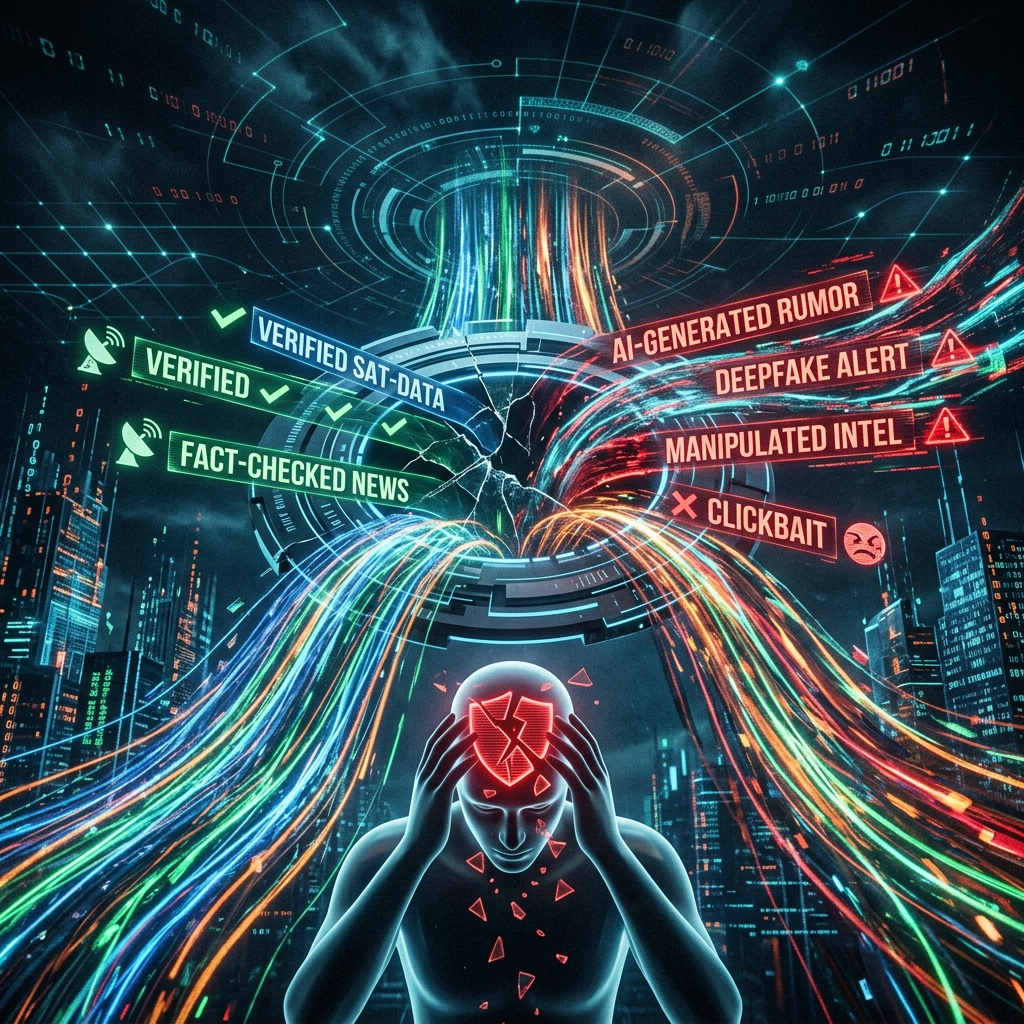

How the Internet Broke Everyone’s Bullshit Detectors: The AI and Data Reality
the internet broke everyone’s bullshit detectors
The internet broke everyone’s bullshit detectors by unleashing a flood of AI-generated synthetic content and restricting critical data access, overwhelming human capacity to verify truth. This article delves into how misinformation has evolved, the challenges in verification, and cutting-edge solutions shaping our digital future, drawing on analysis of Google’s full AI mode.
The AI-Generated Content Explosion and Its Impact on Trust

The rise of generative AI technologies like GPT and deepfake image and video creation tools has flooded online platforms with highly realistic but fabricated content. Even OpenAI’s business-grade ChatGPT systems blur the line between genuine and synthetic, eroding the reliability of traditional indicators of authenticity and creating skepticism fatigue among users. These developments echo broader shifts detailed in AI software disruption impacting systems.
AI models ingest vast text and media corpora, replicating biased narratives and crafting wholly fictional stories indistinguishable from genuine sources to the untrained eye. This proliferation strains fact-checking organisations and undermines the effectiveness of manual scrutiny. However, emerging AI-driven search technology offers more scalable methods to flag manipulated content across platforms.
Restricted Satellite Data and the Challenge of Verifiable Reality
In parallel, vital satellite and drone geospatial data remain heavily restricted behind corporate and governmental barriers. The lack of open access to high-resolution, time-stamped imagery creates blind spots for independent analysis, impeding verification of location-specific claims and real-world events.
Platforms operated by companies such as Wing’s geospatial service restrict raw access to feeds, limiting scrutiny of narratives tied to crises, natural disasters, or geopolitical disputes. Without these objective anchors, misinformation thrives in echo chambers.
Agentic AI Models and Evolving Verification Workflows
Search engines and AI developers are now introducing agentic AI frameworks capable of autonomous, secure task management, including multi-step research and verification workflows. These systems act as virtual assistants, cross-referencing claims with multiple data modalities and flagging inconsistencies in real time. However, as these AI agents improve efficiency, they also heighten concerns about workforce displacement, as seen in recent AI-driven job cuts in 2026.
Innovations like Google’s Antigravity project and open-source initiatives enable persistent AI agents to improve efficiency in fact-checking and data assimilation. This proactive approach signals a shift from reactive to real-time digital truth verification.
Human Vigilance, Ethical AI, and Digital Literacy as Cornerstones
Despite rapid technological advances, human oversight and digital literacy remain foundational. Users must cultivate critical thinking skills to interrogate algorithmically surfaced information and build resilience against AI-enhanced misinformation tactics.
Educational programs that foster understanding of AI capabilities, along with transparency in AI model development, build collective digital immunity. Projects such as Google’s Antigravity publish detailed model logs and data sourcing guidelines, reinforcing trust and limiting misinformation spread.
Conclusion: Restoring Bullshit Detectors in the Age of AI
As misinformation grows in scale and sophistication, blending AI innovation with human insight and ethical governance emerges as the key to restoring reliable bullshit detectors. Continuous technology improvements, inclusive education, and transparent data practices can together safeguard the integrity of online discourse and empower users worldwide.
Integrating AI-driven verification tools with open satellite data initiatives and promoting digital literacy represents the path forward in this complex digital landscape. The fight against misinformation is ongoing, but with concerted efforts, we can rebuild trust and protect democratic discourse in the internet age.