
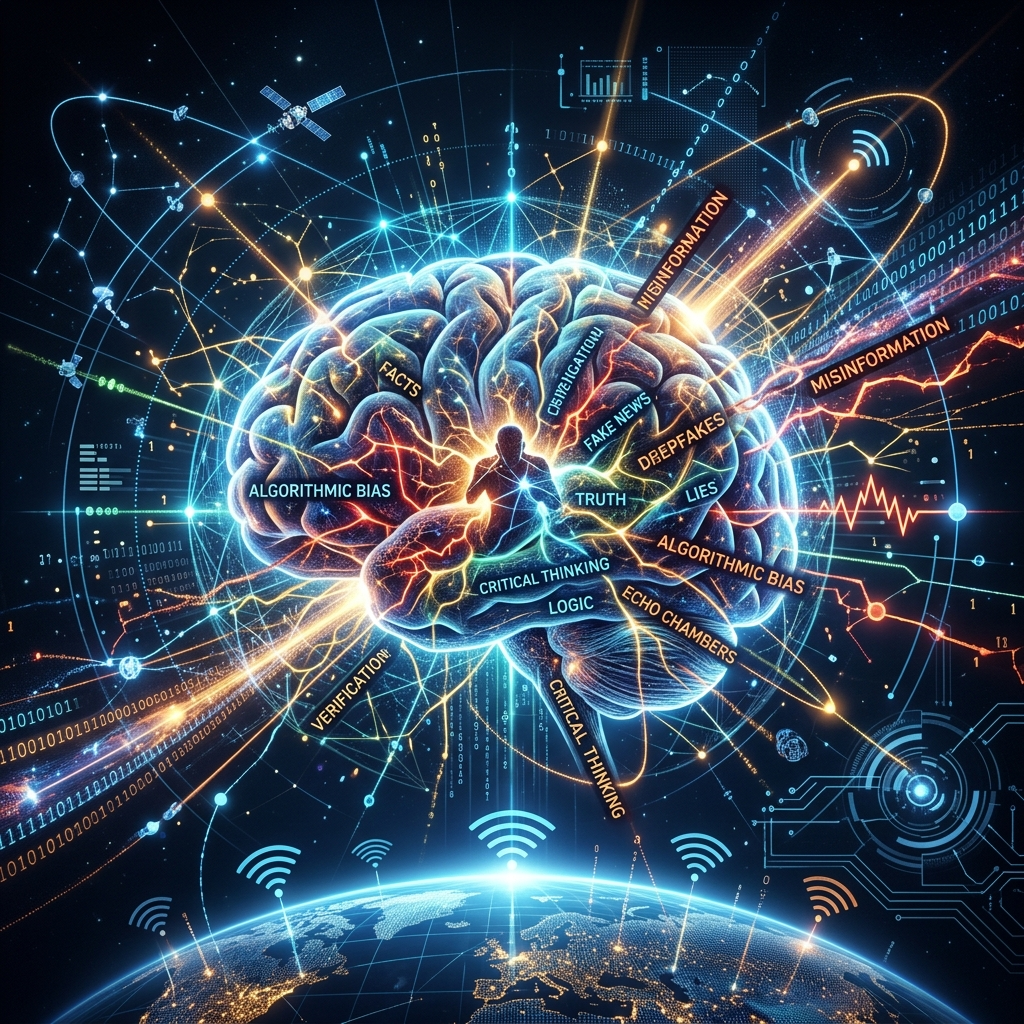

How the Internet Broke Everyone’s Bullshit Detectors: The AI and Data Reality
The internet broke everyone’s bullshit detectors by overwhelming conventional trust mechanisms with a surge of AI-generated synthetic content and restricted access to critical geospatial data. This digital trust crisis has unfolded rapidly as technological advances outpace traditional methods of truth verification, challenging society’s ability to discern fact from fiction.
Generative AI tools such as GPT and deepfake technologies have flooded online platforms with hyperrealistic fabricated content, blurring the lines between authentic and fabricated information. This proliferation disrupts traditional authenticity indicators, such as visual cues and contextual consistency, thereby overwhelming human verification processes. As Search Engine Journal reports, this surge is cultivating skepticism fatigue among users, which weakens overall digital trust.
AI models consume vast, often biased datasets to produce fictional narratives that can be indistinguishable from genuine content to the untrained eye. This trend complicates fact-checkers’ efforts amid broader technology upheavals detailed in AI software disruption impacting systems, heightening verification challenges across digital ecosystems.
Compounding these issues is the restricted access to vital satellite and drone geospatial data essential for independent verification of location-specific claims. Many governmental and corporate entities tightly control this data. Services such as Wing’s drone geospatial operations exemplify such controlled access, which limits transparency in critical contexts like conflict zones or natural disaster areas. This gatekeeping creates substantial verification blind spots. Without robust geospatial evidence to anchor narratives, misinformation can proliferate unchecked, further eroding public confidence, reflecting concerns articulated in Marie Haynes’ blog on search trust.
To counter these challenges, emerging autonomous agentic AI models present promising verification workflows. These AI agents independently conduct cross-referential research across text, images, and geospatial data streams in real time. By detecting subtle inconsistencies before misinformation spreads widely, they mark a significant advance over manual fact-checking reliance.
Google’s Antigravity project serves as a leading example of integrating multi-modal AI verification approaches. Leveraging extensive cloud computing resources, this system analyzes diverse content types to identify fabricated elements that may escape human notice. Parallel efforts in open-source communities and commercial verification platforms are extending these capabilities, as noted by broader AI innovation discussions such as those found in AI-driven search technology explorations.
Despite these technological strides, human vigilance remains indispensable. Digital literacy—defined as the ability to critically assess online content and recognize manipulated media—is essential to complement AI detection. Educators and advocacy groups increasingly promote media literacy programs designed to combat skepticism fatigue and refine users’ skills in applying mental authenticity frameworks before sharing information.
Moreover, transparency tools embedded in digital platforms, such as contextual prompts and verification dashboards, empower users with clearer insights into content provenance and credibility. This human-centric approach is crucial for rebuilding trustworthy information ecosystems on a broad scale.
Reinstating reliable bullshit detectors requires a multifaceted approach that blends cutting-edge agentic AI verification, expanded access to critical geospatial data, and widespread public digital literacy initiatives. This collaborative effort among technology creators, content providers, policy-makers, and users themselves is vital to reversing the current misinformation trends and preserving the integrity of online discourse.
As AI-generated synthetic content and restricted data landscapes evolve, the future of digital trust hinges on adaptive, integrated strategies. Combining sophisticated technology with informed human judgment and ethical governance offers the best pathway to restoring confidence in digital environments impacted by misinformation and opacity.