
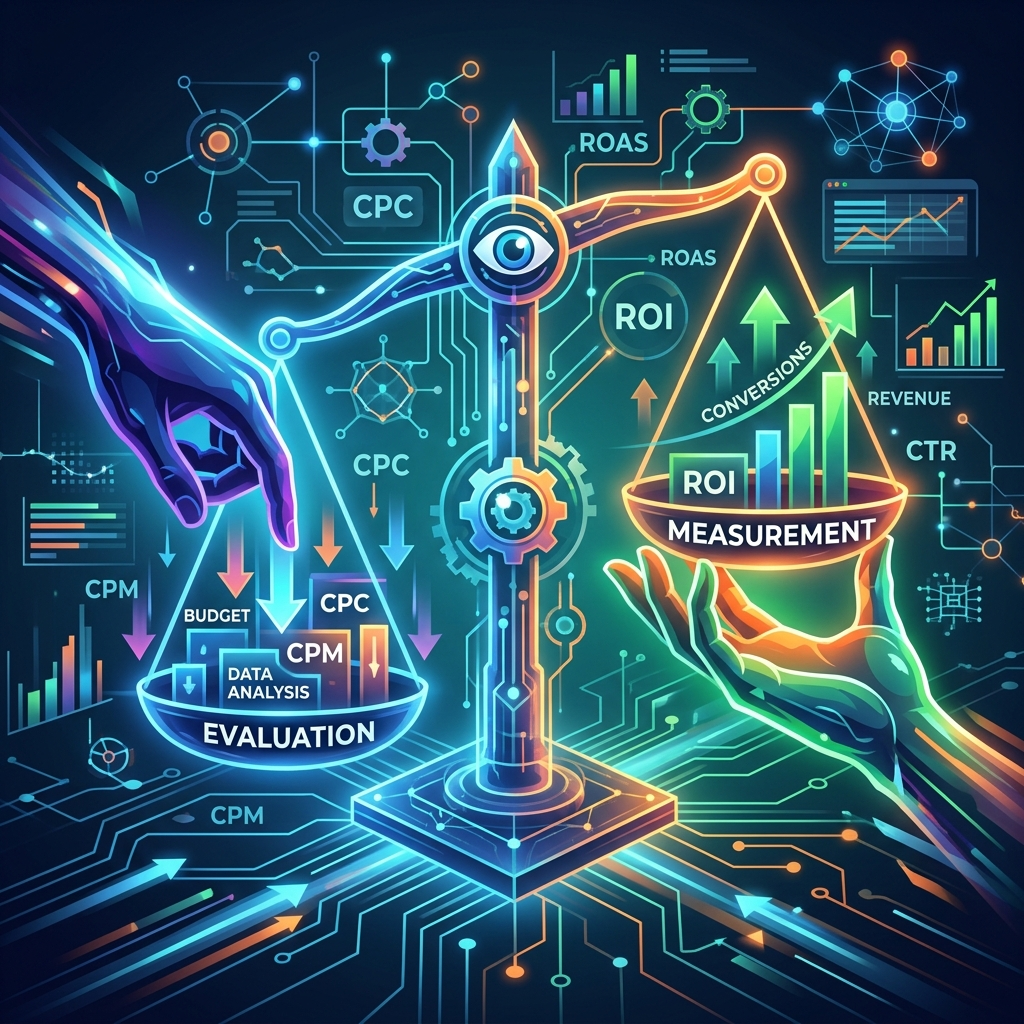

Measuring PPC Performance in the AI-Driven Advertising Landscape
PPC performance measurement has entered a transformative phase driven by rapid advancements in AI automation. As advertisers increasingly rely on AI to optimize pay-per-click campaigns, traditional metrics such as return on ad spend (ROAS) no longer suffice to fully gauge success. This shift demands a deeper, more nuanced approach that goes beyond surface-level analytics to capture true profitability and strategic effectiveness.
AI’s integration into PPC fundamentally changes how campaigns are managed and evaluated. Automated bidding, creative personalization, and real-time audience targeting have introduced efficiencies unmatched by manual tactics. However, this also complicates measurement frameworks since AI continuously adjusts variables based on vast data inputs, making static metrics less reliable for performance appraisal. This new paradigm raises questions about existing metrics and calls for advanced methodologies to assess impact accurately, particularly as consumer behaviors evolve in unpredictable ways according to recent consumer insights from Google.
Traditional PPC metrics, primarily centered on ROAS or cost-per-click, struggle to capture the comprehensive value generated by AI-driven campaigns. These metrics often overlook the broader customer journey and indirect effects such as brand lift or cross-channel influence. Furthermore, they can mask profitability issues when campaigns drive high traffic volumes but low-margin conversions. Such challenges are compounded by the rise of zero-click searches and other behaviors highlighted in studies like the 2024 SparkToro search analysis, emphasizing the need for metrics that track true business outcomes rather than simplistic interaction counts.
To address these limitations, emerging measurement frameworks focus on profitability over simplistic revenue attribution. Moving away from pure ROAS allows marketers to factor in cost structures, margins, and lifetime value to assess the genuine profitability of AI-optimized campaigns. BCG’s research on evolving consumer funnels suggests this approach aligns better with modern, non-linear purchasing paths and cross-device behaviors, providing a more holistic perspective on PPC success.
Central to this evolved framework is incrementality testing, a method to determine whether paid search efforts are creating new demand or merely capturing existing interest. By setting up controlled experiments, advertisers can isolate the incremental value attributable solely to PPC campaigns, ensuring budgets target genuine growth rather than cannibalizing organic or other channels. This technique is critical under AI’s shifting influence, as automated adjustments may obscure the distinction between demand capture and creation.
Similarly, understanding blended customer acquisition cost (CAC) has gained prominence. Because AI-driven PPC often operates alongside robust organic and other paid channels, evaluating CAC in isolation underrepresents overall marketing efficiency. A blended CAC metric consolidates paid and organic acquisition costs, providing a fuller picture of efficiency and facilitating smarter budget allocation decisions that reflect the interconnected nature of digital marketing.
The role of first-party data quality also cannot be overstated in the current landscape. AI automation thrives on accurate, rich data inputs to fine-tune targeting and bidding strategies. Marketers with superior first-party data are better positioned to train AI models that deliver superior outcomes, boost personalization, and reduce wasted spend. Enhancing data governance, privacy compliance, and data integration pipelines remain priorities to sustain competitive PPC performance measurement frameworks.
Communicating performance in AI-driven PPC scenarios demands careful adaptation when reporting to stakeholders. Simplistic vanity metrics can no longer suffice. Instead, reports must emphasize profitability impact, lift from incrementality tests, and holistic CAC metrics. This nuanced data presentation supports informed decision-making and ongoing investment justification amid AI’s complexity, as detailed in expert discussions on whether advertisers should be worried about AI in PPC and the evolving PPC manager role in the AI era.
Looking ahead, emerging measurement challenges include increasing complexity in attribution due to AI’s multidimensional optimizations and greater integration of offline data sources. The shift may also accelerate budget rebalancing as AI identifies non-traditional high-value opportunities, necessitating agility in spend allocation, as explored in analyses of PPC budget rebalancing with AI. Advertisers must continue to refine frameworks, leveraging advanced analytics and first-party data stewardship to stay ahead.
In sum, PPC performance measurement in an AI-driven advertising landscape requires a multi-faceted approach that prioritizes profitability, rigorously tests incrementality, embraces blended cost metrics, and leverages high-quality data. As AI reshapes both campaign execution and consumer behavior, marketers equipped with these sophisticated methods will better capture the true value of their PPC investments and navigate the evolving digital ecosystem with clarity and confidence.