
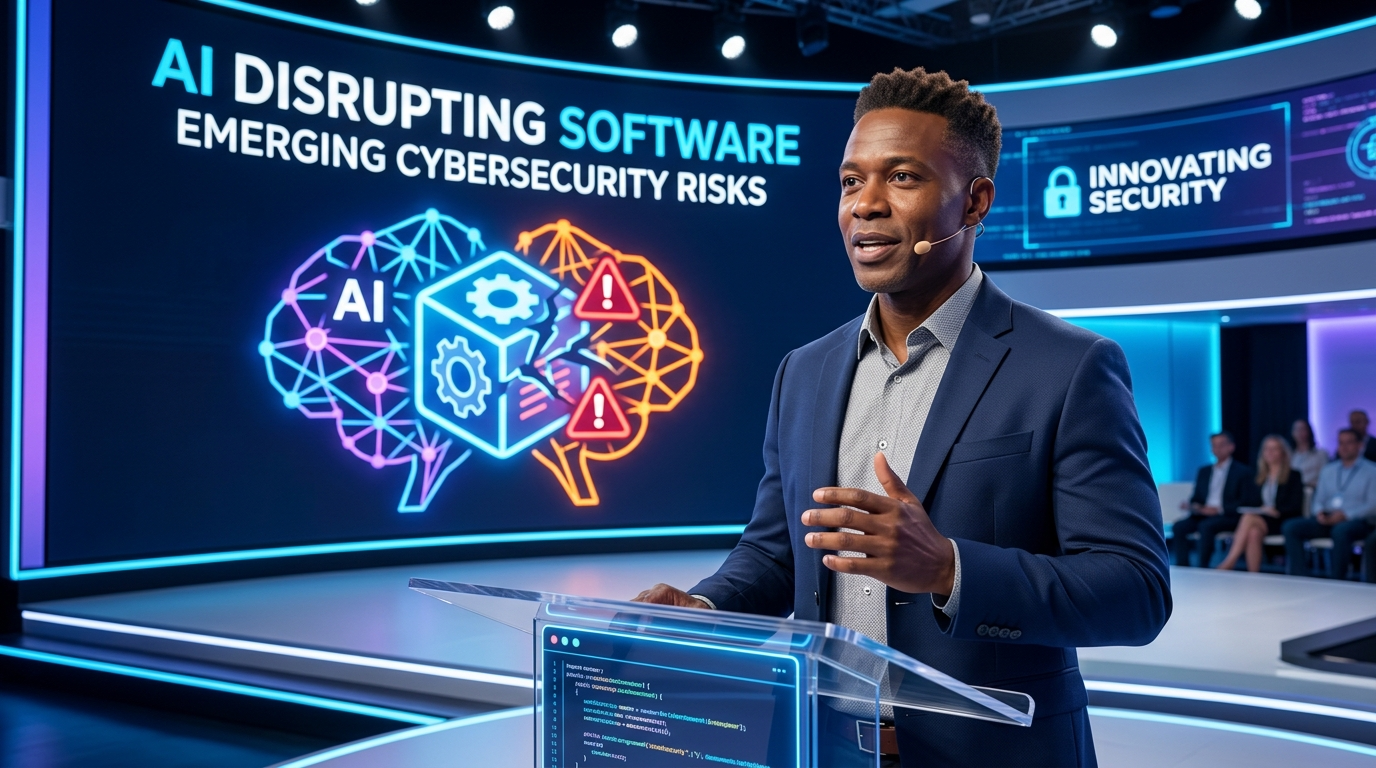

AI Software Disruption: Unseen Security Risks Shaping Future
AI software disruption is transforming the technological landscape at an unprecedented pace, yet beneath this wave of innovation lie hidden security vulnerabilities that could reshape the future of software development and cybersecurity. Sundar Pichai, the CEO of Alphabet, underscored this dual-edged nature of AI by highlighting the immense potential alongside its unpredictable risks. As AI integrates more deeply into software systems, the challenges related to cybersecurity threats, new attack vectors, and ethical implications demand urgent attention from industry leaders and developers alike.
The AI software disruption is not merely a matter of automation or efficiency but a fundamental shift in how software is created, deployed, and maintained. AI-driven tools have accelerated software development, enabling automated code generation, bug detection, and adaptive learning systems. However, these same capabilities introduce vulnerabilities—such as AI-generated code with latent security flaws or AI systems that can be manipulated to behave maliciously. These challenges are compounded by the speed at which AI models evolve, often outpacing traditional security protocols designed for static software environments.
Sundar Pichai’s warnings resonate with the broader concerns voiced by cybersecurity experts who observe that AI-related risks now constitute some of the fastest-growing threats in the industry. Vulnerabilities in AI systems may allow adversaries to exploit flaws for data breaches, ransomware, or sabotage. For instance, adversarial attacks can deceive AI by feeding it manipulated inputs, causing erratic or harmful software behavior. This places organizations in a precarious position, as securing AI-enhanced software demands novel defense mechanisms beyond conventional cybersecurity measures.
Mitigating these risks requires a multifaceted approach, including rigorous AI model validation, continuous monitoring for anomalies, and integrating AI cybersecurity tools to anticipate threats dynamically. Deloitte insights emphasize the necessity of embedding AI in cybersecurity frameworks to predict and counteract attacks more effectively, leveraging machine learning for real-time threat detection and automated incident response. Developers must adopt secure coding practices tailored to AI-generated code and remain vigilant for new vulnerabilities emerging from AI components.
A notable real-world illustration of AI software disruption’s impact on security can be found in the emerging cases where AI misjudgments have led to costly software errors or system failures, which often remain undocumented publicly but significantly affect operational integrity. These examples underline the critical need for comprehensive case studies and open discourse around AI-influenced software failures to inform better practices industry-wide. Ethical considerations also come to the fore, as AI systems influence decision-making in sensitive areas, raising questions about accountability, transparency, and bias mitigation in software development.
To grasp the full scope of AI’s effects, it is essential to explore how AI software disruption impacts related ecosystems. For deeper insight, examining how AI shifts job dynamics offers additional perspective on the societal ramifications of this technological upheaval, especially in roles traditionally focused on software maintenance and security. Furthermore, understanding AI’s interplay with other digital domains, such as its effect on SEO through agentic AI in shopping, illustrates the broad-reaching influence of AI-powered automation across industries. These interconnected effects highlight why strategic, informed responses to AI software disruption must encompass technological, workforce, and ethical dimensions.
Organizations looking to stay ahead amid these challenges can benefit greatly from studying the evolving landscape of AI vulnerabilities and corresponding defensive strategies. As FM Magazine reports, AI-related cybersecurity risks are accelerating faster than many anticipated, underscoring the lag in comprehensive security countermeasures compared to AI development rates. Likewise, Financier Worldwide outlines the dual nature of AI as both a source of security vulnerabilities and a potent tool for enhancing defense strategies.
In practical terms, companies must embed AI-centric threat intelligence and resilience frameworks to future-proof their software infrastructures. The wave of AI software disruption is unavoidable, but its risks can be moderated by proactive governance, ethical standards adoption, and continuous innovation in security practices. This comprehensive approach not only protects assets but also ensures AI’s benefits are harnessed responsibly.
For a nuanced understanding of how AI is disrupting software systems and shaping security frameworks, additional resources are invaluable. The detailed exploration at AI Software Disruption Impacting Systems complements this discussion by highlighting system-level changes. Insights into the socioeconomic aspects of AI shifts can be found at AI-driven Job Cuts 2026, while early implications of AI’s influence on digital marketing strategies are analyzed at Agentic AI Shopping Impact on SEO.
Ultimately, AI software disruption embodies the frontier of 21st-century technological evolution, where innovation and security are inextricably linked. By acknowledging the unseen security risks and addressing them head-on through adaptive strategies and cross-disciplinary collaboration, stakeholders can guide AI’s integration into software ecosystems constructively. This balanced vigilance is essential to unlocking AI’s full potential without succumbing to the vulnerabilities it inevitably introduces.