
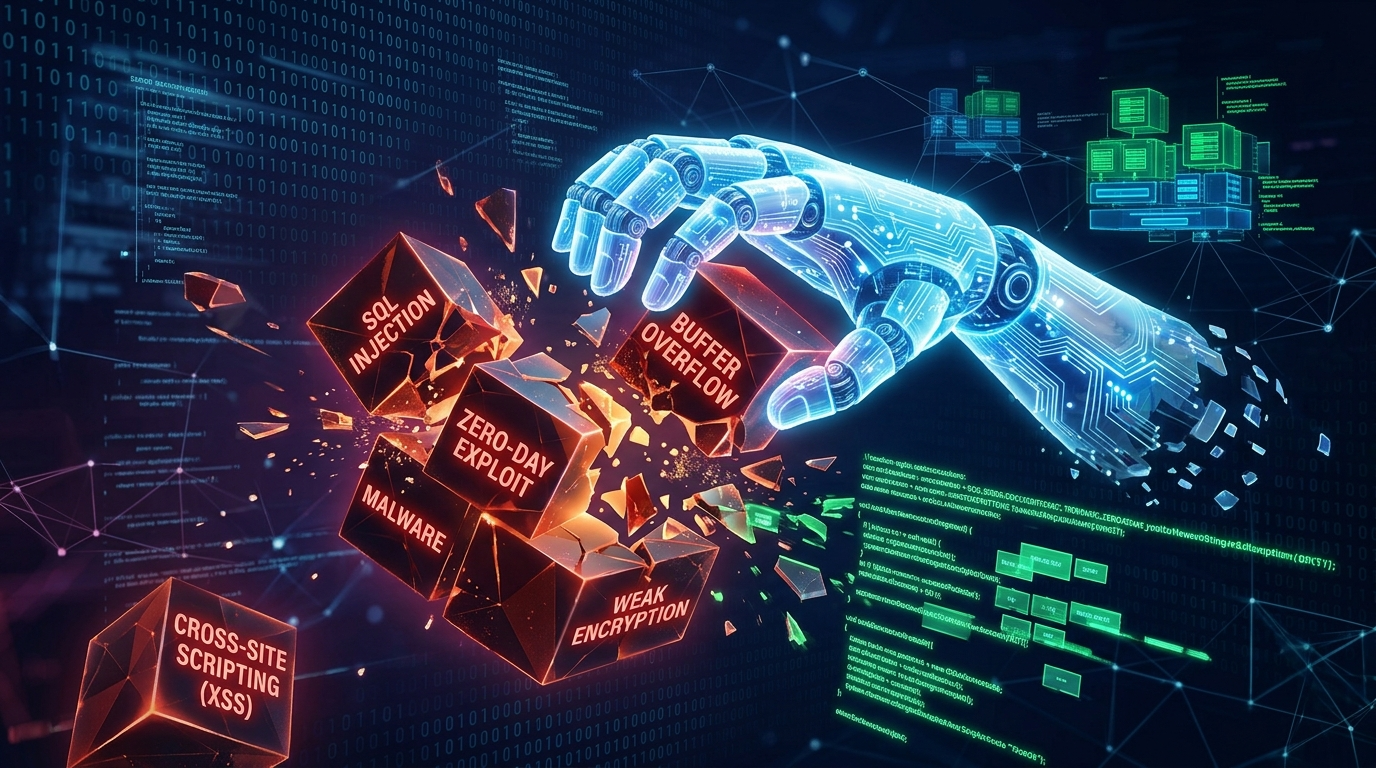

How AI Threatens Software Security With Alarming Risks
The integration of artificial intelligence (AI) into software development and operation has revolutionized the technology landscape. However, this rapid adoption also introduces critical challenges, notably the emergence of AI software security risks that threaten the integrity and safety of digital systems. These risks range from new types of vulnerabilities to sophisticated attack vectors that exploit AI technologies themselves.
Understanding AI Software Security Risks in Modern Systems
AI’s transformative power in software systems cannot be overstated, but alongside its benefits, experts warn that AI fundamentally changes the cybersecurity threat landscape. This is due to AI’s ability to automate tasks, generate code, and even identify weaknesses at speeds beyond human capability. Yet, as AI tools become embedded deeply in software ecosystems, they create new vulnerabilities that were previously unimagined. For example, AI-generated code may introduce hidden flaws that evade traditional testing and security audits.
Moreover, attackers can weaponize AI itself, crafting sophisticated malware or phishing campaigns that adapt in real time to circumvent detection. Recent AI-driven security incidents underscore the growing risks as threat actors leverage AI to exploit software weaknesses at scale. Linking AI to software security risks requires a nuanced understanding of how these technologies intertwine.
One authoritative insight highlights that ongoing innovation in AI necessitates equally innovative security postures, as outlined in this analysis of AI risks threatening software security. Recognizing these risks early is critical for organizations aiming to safeguard their digital assets.
Recent Trends Intensifying Software Vulnerabilities
The accelerating sophistication of AI models, from natural language processors to automated code generators, raises concerns over the reliability of software systems. Several high-profile breaches have been linked to AI-generated flaws or adversarial attacks against AI components embedded within software.
Industry leaders note that improper integration of AI tools without rigorous security frameworks leads to heightened exposure. For example, novel attack methodologies target AI’s data pipelines, model training, and inference stages — all points of potential compromise.
To deepen understanding, the future of application security through AI is thoroughly explored in a Gartner report on AI DevSecOps, emphasizing how security must evolve alongside AI development practices.
Examples of AI-Driven Software Security Incidents
Recent cases illustrate how AI vulnerabilities manifest in real-world scenarios. Notably, AI-based code assistants have occasionally produced insecure snippets, which developers mistakenly integrate into production environments. This has triggered vulnerabilities allowing unauthorized access or data leakage.
Media coverage also chronicles emerging threats from AI-powered tools that assist hackers in crafting more effective exploits. A detailed report by NBC News highlights the capacity of AI models such as Claude and ChatGPT in facilitating these attacks.
Mitigating AI Software Security Risks: Best Practices and Industry Responses
Addressing these risks requires a multi-layered strategy integrating both technological and procedural measures. Industry experts advocate for embedding security at every stage of AI software development, from secure coding standards to continuous vulnerability assessments.
One emerging approach is the adoption of AI-specific DevSecOps frameworks that incorporate real-time monitoring and anomaly detection tailored for AI environments. Organizations partnering with firms like Anthropic’s Glasswing are exploring advanced AI security platforms designed to safeguard AI workflows and data integrity.
Educating developers and cybersecurity teams on AI-related risks is equally critical. Best practices advise rigorous code reviews, extensive testing of AI-generated outputs, and maintaining an up-to-date understanding of AI threat intelligence.
For broader industry insights on mitigating these risks, refer to this discussion on AI software disruption impacting systems, which details evolving defense mechanisms against AI-driven vulnerabilities.
Expert Opinions on Future AI Security Challenges
Leading voices in cybersecurity emphasize that AI represents both a vital asset and a profound challenge. Google’s CEO recently acknowledged the increasing complexity in managing AI-driven software risks, urging a strategic pivot toward enhanced AI oversight and governance.
Experts predict that as AI technologies continue to evolve, so too will the tactics of threat actors. Proactive investment in robust AI security frameworks and collaborative industry standards will be essential in preempting future breaches.
The Growing Impact of AI on Software Systems Security
AI’s role in software security is set to expand, influencing how systems are designed, protected, and managed globally. The critical interplay between AI advancement and software integrity calls for ongoing vigilance and innovation in cybersecurity strategies.
For those interested in deepening their understanding of Google’s perspective on disruption through AI, the analysis on Google disruption impacting systems offers compelling insights into this dynamic.
In conclusion, while AI brings transformative benefits, it also introduces alarming risks to software security. Addressing these challenges proactively with expert-led strategies is imperative to ensure resilient, trustworthy digital infrastructure in an increasingly AI-integrated world.