

How the Internet Broke Everyone’s Bullshit Detectors: The AI and Data Reality
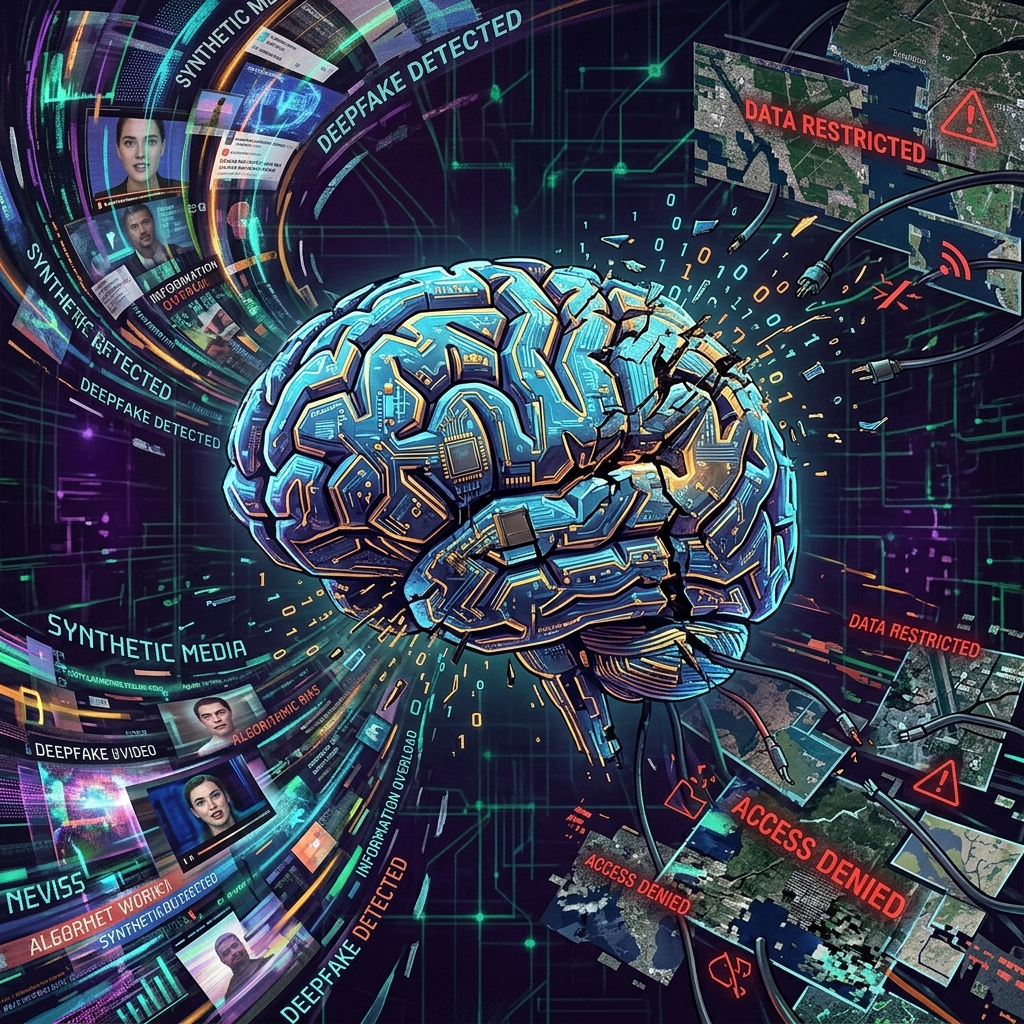
The internet broke everyone’s bullshit detectors by inundating users with AI-generated content that is nearly indistinguishable from human-authored material. A recent study suggests that synthetic outputs could account for more than half of all web media by 2025, reshaping digital trust as platforms integrate AI in search, a shift documented by Google’s pivot to full AI mode.
The proliferation of synthetic content is staggering as AI language models and image generators lift verification challenges to new heights. From auto-generated news briefs to AI-crafted product reviews, countless sources saturate social feeds with material that eludes basic scrutiny. Platforms now incorporate advances in AI-driven search technology that blur the line between machine and human content, complicating fraud detection.
This surge is not limited to static media; short-form video platforms host swarms of lip-sync deepfakes superimposed on public figures, designed to manipulate public opinion. Political operatives can deploy these tools to craft hyper-targeted micro-influencer campaigns, weaponizing authenticity at scale. Even casual blog posts may intersperse factual reporting with AI-generated filler, subtly eroding reader trust over time.
Efforts to counteract this trend collide with another hurdle: restricted access to high-resolution satellite and geospatial data, as national security protocols and commercial licensing agreements lock down the imagery most useful for verifying location-based claims. Emerging open-source mapping initiatives aim to pierce this veil, but proprietary restrictions persist, as seen with Google’s Antigravity program limiting public access to critical detail. The result is a patchwork of transparency gaps that misinformation campaigns readily exploit.
Without reliable geospatial data, visual claims about environmental disasters or conflict zones become almost impossible to debunk with certainty. Fact-checkers often resort to low-resolution images or vague timestamps, undermining the credibility of counter-narratives. In regions with few on-ground journalists or independent observers, this opacity thrives, leaving global audiences at the mercy of unverified reports.
Agentic AI refers to autonomous software agents capable of gathering, analyzing, and corroborating data across multiple platforms without continuous human input. These systems promise to reverse the tide of online deception by orchestrating verification workflows that flag anomalies in real time. This approach aligns with broader trends in AI software disruption transforming how digital trust is engineered.
Autonomous drones illustrate this potential in action. Wing’s autonomous drone systems, equipped with multispectral imaging sensors and onboard AI analytics, can descend on reported incidents to capture corroborating evidence on the ground. By comparing live aerial footage with catalogued metadata, these drones help verify or debunk claims within hours rather than days.
Beyond drones, multi-modal agentic systems integrate text analysis, geospatial feeds, and even crowd-sourced eyewitness data to build a layered trust score for any given claim. Machine learning classifiers sift through language patterns and image metadata while geo-registered timestamps anchor events in space and time. Early pilots show promise, but scalability and model transparency remain open questions.
Despite the sophistication of autonomous verification, human oversight remains essential to interpret context, nuance, and ethical dimensions that machines cannot fully grasp. Digital literacy initiatives, including media education programs and browser extensions flagged by experts, empower users to question the provenance of photos and articles. Collaborations between tech firms and journalism schools are emerging to develop standardized verification curricula tailored to the digital era. In an era of AI-driven job cuts, these skillsets not only safeguard truth but also help professionals pivot toward roles centered on critical analysis and governance.
Restoring digital trust will require collaboration between technology companies, policy makers, academic researchers, and civil society to define standards and accountability frameworks. Regulatory bodies must weigh open-data mandates against privacy and security concerns, prompting the design of governance models that incentivize transparency without compromising sensitive information. Only by aligning incentives across stakeholders can the digital ecosystem offer users reliable signals in a sea of synthetic noise.
The internet broke everyone’s bullshit detectors, but combining agentic AI, expanded geospatial transparency, and a digitally literate public could rebuild defenses against misinformation. A multifaceted strategy uniting technological innovation, regulatory oversight, and education offers the best path to restoring credibility and trust online.