
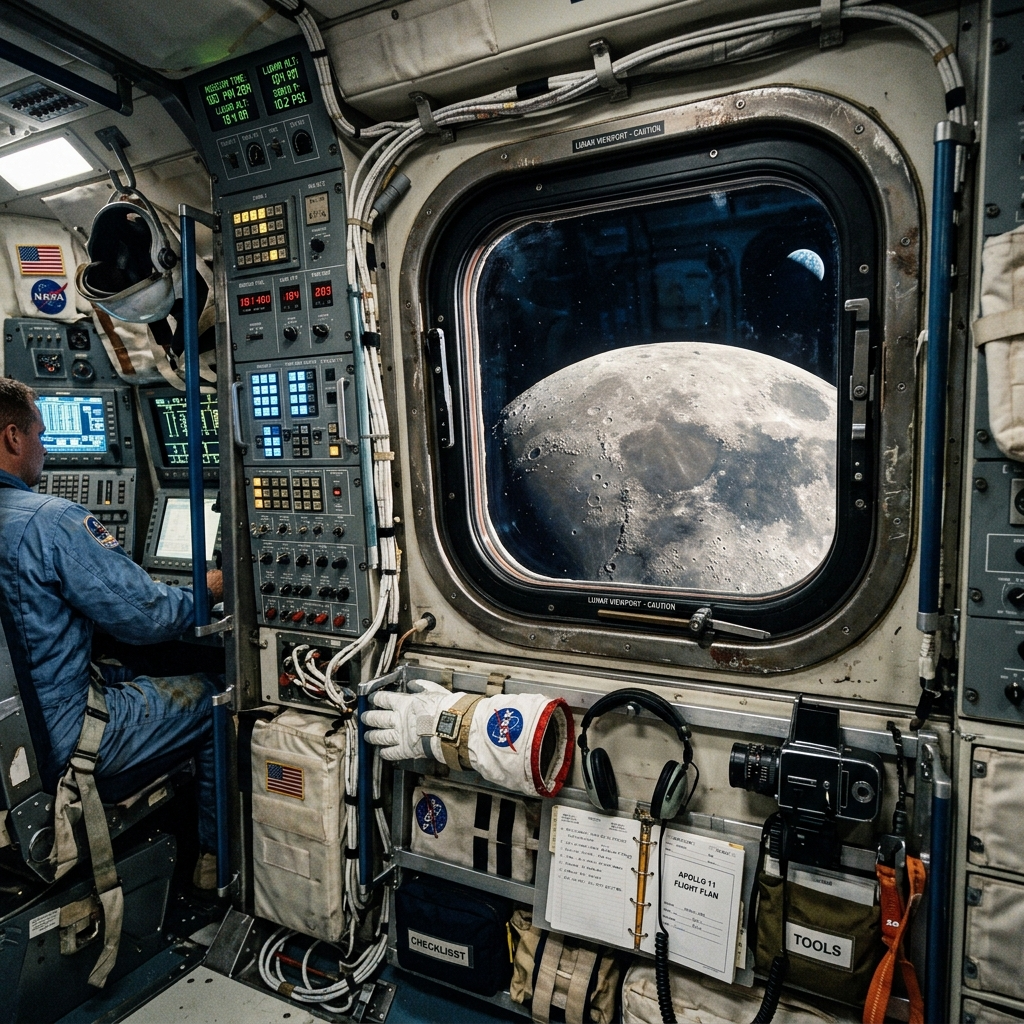

Artemis II Astronauts Return Safely to Earth After Historic Flight Around the Moon
Artemis II Astronauts Return Safely to Earth After Historic Flight Around the Moon
Artemis II astronauts return safely to Earth after completing humanity’s most ambitious lunar mission in over five decades, marking a pivotal moment in space exploration history. The four-person crew splashed down in the Pacific Ocean following an extraordinary 10-day journey that took them farther from Earth than any humans since the Apollo era. This successful mission represents not just a technological triumph, but a profound step toward establishing a sustainable human presence on the Moon.
The safe return of Commander Reid Wiseman, Pilot Victor Glover, Mission Specialist Christina Hammock Koch, and Canadian Space Agency astronaut Jeremy Hansen has ignited worldwide celebration and renewed optimism for space exploration. Their journey around the Moon demonstrated the capabilities of NASA’s next-generation Orion spacecraft and validated critical systems that will enable future lunar landings.
Artemis II Astronauts Return Safely to Earth: Mission Timeline and Key Milestones
The historic mission began with a spectacular launch aboard NASA’s Space Launch System (SLS), the most powerful rocket ever successfully flown. Within hours of departure, the crew was traveling at unprecedented speeds toward their lunar destination. The mission’s carefully orchestrated timeline included multiple trajectory corrections and system checks that demonstrated the advanced technological systems powering modern space exploration.
During their lunar flyby, the astronauts captured breathtaking images of the Moon’s far side and conducted vital experiments that will inform future Artemis missions. What’s more, they tested communication systems designed to support long-duration lunar surface operations, proving that sustained contact with Earth remains possible even at extreme distances.
The crew’s daily activities included monitoring spacecraft systems, conducting scientific observations, and participating in educational outreach events that inspired millions of viewers worldwide. Consequently, their mission served dual purposes: advancing scientific knowledge and rekindling public enthusiasm for space exploration.

Advanced Spacecraft Technology and Re-entry Procedures
The Orion spacecraft’s performance during re-entry provided crucial data about heat shield effectiveness and atmospheric navigation systems. Engineers monitoring the mission from NASA’s Mission Control observed flawless execution of pre-programmed descent protocols, validating years of design work and testing.
Crucially, the spacecraft’s heat shield withstood temperatures exceeding 5,000 degrees Fahrenheit during its high-speed return through Earth’s atmosphere. This thermal protection system represents a significant advancement over previous Apollo-era technology, incorporating modern materials science and computational modeling techniques that enhance safety margins.
The precision landing system guided Orion to its target splashdown zone with remarkable accuracy. Recovery teams deployed within minutes, demonstrating the operational readiness that will be essential for future missions carrying lunar samples and scientific equipment back to Earth.
Astronauts’ Profound Lunar Observations and Emotional Experiences
Beyond technical achievements, the crew’s personal accounts reveal the transformative nature of lunar proximity. Commander Wiseman described the “overwhelming sense of perspective” experienced while viewing Earth from lunar distance, emphasizing how the experience reinforced humanity’s interconnectedness and the fragility of our planet.
Mission Specialist Koch shared detailed observations of lunar surface features invisible from Earth, including previously unmapped crater formations and geological structures that may inform future landing site selections. Her scientific background enabled unique insights into lunar geology that will enhance planning for Artemis III surface operations.
The emotional impact extended beyond individual crew members to mission control teams and global audiences. Hansen noted that representing international cooperation through the Canadian Space Agency partnership demonstrated space exploration’s power to unite nations around common goals.
Scientific Discoveries and Research Implications
The mission yielded unprecedented data about deep space radiation environments and their effects on human physiology. Continuous monitoring of crew health metrics provided valuable insights into how extended exposure to cosmic radiation might affect future long-duration missions to Mars and beyond.
Experimental equipment aboard Orion collected atmospheric samples during the lunar flyby, potentially revealing new information about the Moon’s tenuous exosphere. These measurements complement robotic mission data and will inform future scientific investigations planned for the lunar surface.
Furthermore, communication tests conducted throughout the mission validated deep space network capabilities essential for supporting future Mars exploration. The successful maintenance of high-quality video and data transmission links demonstrated technological readiness for more ambitious interplanetary missions.
Future Artemis Program Goals and International Collaboration
The successful return sets the stage for Artemis III, which aims to land the first woman and next man on the lunar surface. Mission planners are already incorporating lessons learned from this flight into preparations for the more complex surface operations ahead.
International partnerships showcased during Artemis II highlight space exploration’s evolving global nature. Technical reporting emphasizes how collaborative approaches enhance mission success while distributing costs and risks among participating nations.
Commercial partnerships integral to the Artemis program demonstrate how private sector innovation accelerates technological development. These relationships are establishing sustainable frameworks for future lunar economy development, including resource utilization and transportation services.
Global Inspiration and Earth Perspective Transform Space Exploration
As the Artemis II astronauts return safely to Earth, their mission transcends technical achievement to inspire renewed commitment to exploration and scientific discovery. The crew’s experiences viewing Earth from lunar distance reinforce the profound responsibility of stewardship for our planet while pursuing knowledge beyond its boundaries.
Educational initiatives connected to the mission have already begun influencing STEM curriculum development worldwide. Students who followed the mission’s progress represent the generation that may one day establish permanent lunar settlements and venture to Mars.
The successful completion of this historic flight demonstrates humanity’s capacity for achieving extraordinary goals through international cooperation, scientific innovation, and unwavering determination. Consequently, the safe return of these pioneering astronauts marks not an ending, but the beginning of a new chapter in human space exploration that promises to expand our understanding of the cosmos and our place within it.